
Enhancing Audiology Practices: The Role of AI in Patient Care

AudiologyOnline: The global need for hearing care is rising, yet many practitioners feel overwhelmed. Why is AI becoming a necessity for the modern audiology practice now?
Brandy Pouliot: We are currently facing a significant mismatch between patient demand and clinical capacity. Globally, an estimated 430 million people require care for disabling hearing loss, yet many regions have less than one audiologist per million people. Even in the U.S., three-quarters of the country faces workforce shortages.
Audiologists are often overwhelmed by the end of the day, trying to return calls, finish notes, and manage a front desk that is juggling tasks before the first patient even walks in. We often skip lunch just to keep up with administrative tasks. AI is necessary because our clinical resources, time, and system capacity are all finite. AI provides a way to scale our services by reducing routine tasks, allowing us to focus our limited energy on the patients who need us most.
AudiologyOnline: For a practice owner who is hesitant to adopt new technology, where is the most practical and low-risk place to start implementing AI?
Brandy Pouliot: Start small. You don’t need to redesign your practice from scratch. A great starting point is operational efficiency. As an example, automated reminders and appointment confirmations are an easy place to start.
AudiologyOnline: How can AI be used to support clinical triage and hardware troubleshooting without requiring the audiologist's direct involvement in every minor issue?
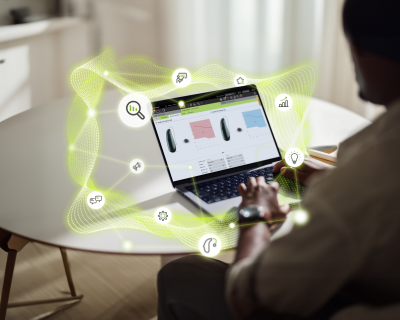
Brandy Pouliot: This is where AI-driven diagnostic tools really shine. For example, the PhonakPro Check app allows for objective cross-checking of hearing aid performance. It’s a simple test that can be run on the spot by an audiology assistant or front-office staff.
Another accessible tool is a HIPAA-compliant chatbot for your website and an AI Agent to handle both inbound and outbound phone calls. These provide 24/7 support for routine patient questions and can hand off complex inquiries to a live person, ensuring patients who need to be connected to a person can be fully supported.
AudiologyOnline: Can AI ever truly replace human judgment?
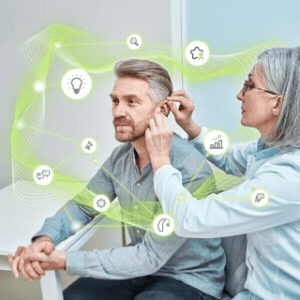
Brandy Pouliot: AI is a tool to complement your expertise, not replace the human connection that defines patient-centered care. AI cannot see the whole person. It doesn’t weigh a patient’s unique values, preferences, or lived experiences, and it does not take accountability for clinical outcomes. While AI can pass parts of audiology exams, clinical care requires judgment, counseling, and empathy; you remain the central component to daily patient management.
For more information on available AI-based services, reach out to [email protected].


Brandy Pouliot, AuD
Director of Audiology and Education, Sonova
Brandy Pouliot, AuD, is the Director of Audiology and Education for Sonova, US. She earned her Doctor of Audiology degree from Nova Southeastern University and practiced privately until she joined Phonak in 2012 as a Lyric Clinical Trainer. Brandy has presented informative sessions regarding Sonova products, thought leadership topics such as eAudiology, Family Centered Care, cognition, social-emotional and physical well-being, and led experiential trainings locally and globally. Dr. Pouliot is passionate about supporting audiologists and patients to live a life without limitations.