

Expanding the Signia IX Portfolio for VA Hearing Care
AudiologyOnline: Signia recently expanded its Integrated Xperience (IX) offering within the VA channel. What makes this announcement significant for VA audiologists?
Signia: Veterans have a wide range of hearing and lifestyle needs, and VA audiologists must address those needs in tandem with the demands of high-volume clinical environments. Delivering individualized care requires access to multiple form factors and features, but doing so efficiently and consistently can be challenging.
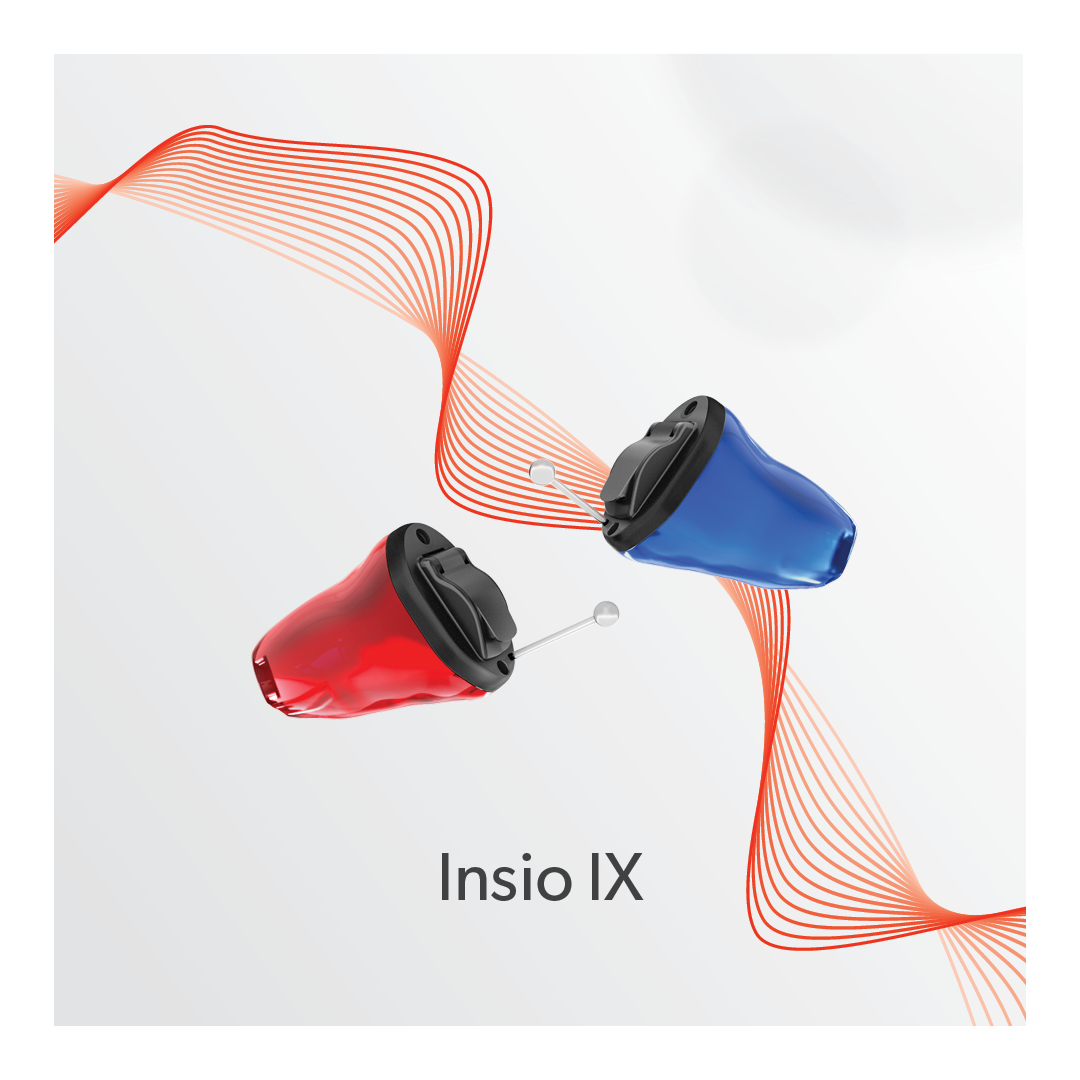
With this expansion, the IX platform available through the VA, Department of Defense, and Indian Health Service is now complete. The addition of CIC Rechargeable Custom IX, Silk IX, and Active Pro IX hearing aids means audiologists have access to custom, instant-fit, RIC, and BTE solutions all within a single platform.
That breadth allows audiologists to address a wider range of patient requirements – from discretion and connectivity to tinnitus support and compatibility with secure environments – while remaining within a familiar fitting ecosystem. This ultimately yields greater flexibility in patient care and more streamlined workflows across different hearing loss profiles.
AudiologyOnline: What unique hearing care considerations distinguish the veteran population from other patient groups?
Signia: Veterans often present with some of the most complex hearing profiles in audiology. Service-related hearing loss, tinnitus, difficulty understanding speech in noise, and single-sided deafness are all common considerations. Many veterans have experienced prolonged noise exposure throughout their service, leading to hearing and communication difficulties that may not be fully explained by audiometric results alone.
Another important consideration is that hearing loss can have a significant impact on daily communication, social engagement, and quality of life. As a result, audiologists are often evaluating not just hearing performance, but how technology will support a patient's communication needs across a variety of real-world environments.
AudiologyOnline: Why is flexibility so important when fitting hearing technology for veterans?
Signia: Successful outcomes in veteran hearing care don't always look the same from one patient to the next. Some veterans prioritize discretion. Others place greater value on rechargeability, Bluetooth connectivity, ease of use, or compatibility with specific environments and daily routines.
That variability is precisely why flexibility matters. Audiologists need to align recommendations with real individual preferences and goals; the more adaptable the technology portfolio, the easier it becomes to deliver care that feels genuinely personalized.
AudiologyOnline: How does the expanded IX portfolio help audiologists address that diversity of needs?
Signia: The expanded IX portfolio is what makes that flexibility possible in practice. With access to custom, instant-fit, RIC, and BTE solutions, audiologists can tailor recommendations based on an individual's hearing needs, lifestyle, and personal preferences.
That's especially valuable in a population where clinical considerations rarely fit into neat categories. A veteran may require tinnitus support, a CROS solution, SCIF compatibility, or advanced connectivity features – and often several of those needs at once. With some solutions, audiologists may have to choose between those requirements because not every feature is available across every form factor. The expanded IX portfolio minimizes those compromises, giving audiologists the ability to address multiple needs within a single fitting ecosystem alongside maintaining a familiar and consistent clinical experience.
AudiologyOnline: What role do Silk IX, Active Pro IX, and CIC Rechargeable Custom IX each play within the broader IX portfolio?
Signia: Each of these additions brings something unique to the platform.
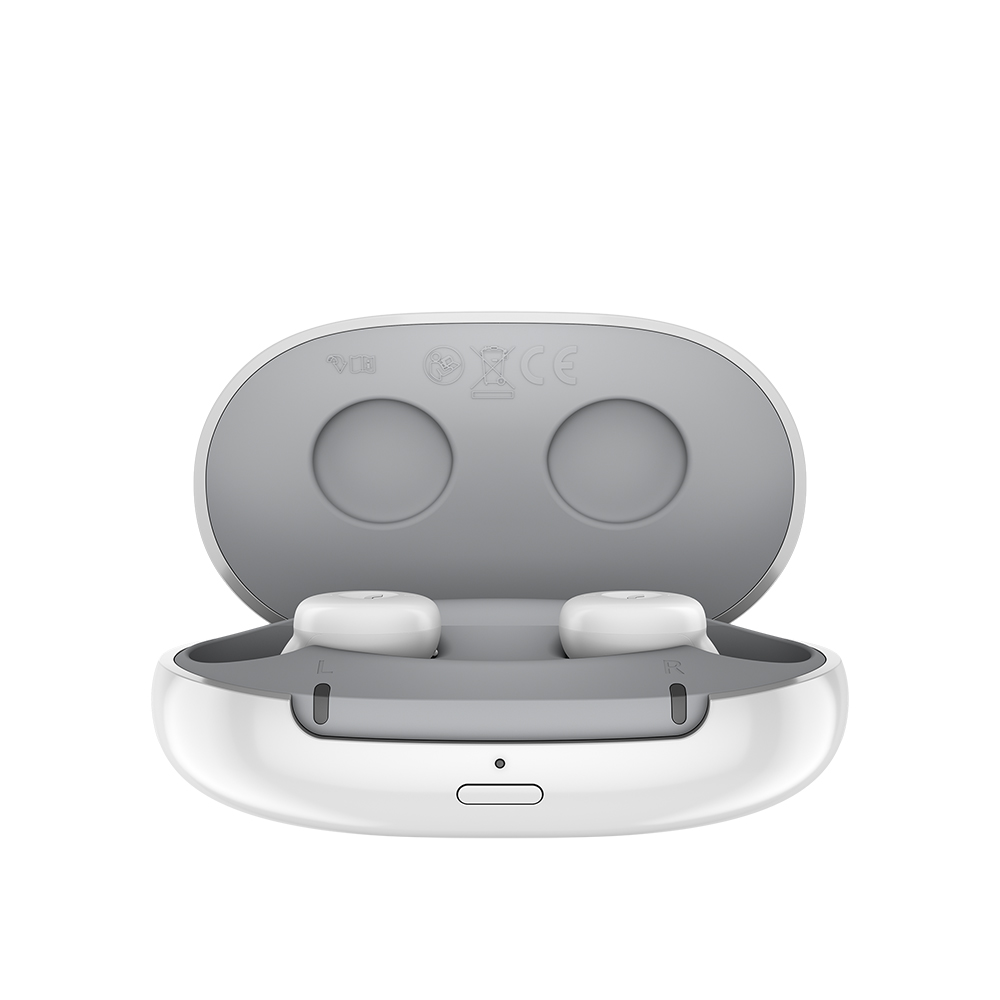
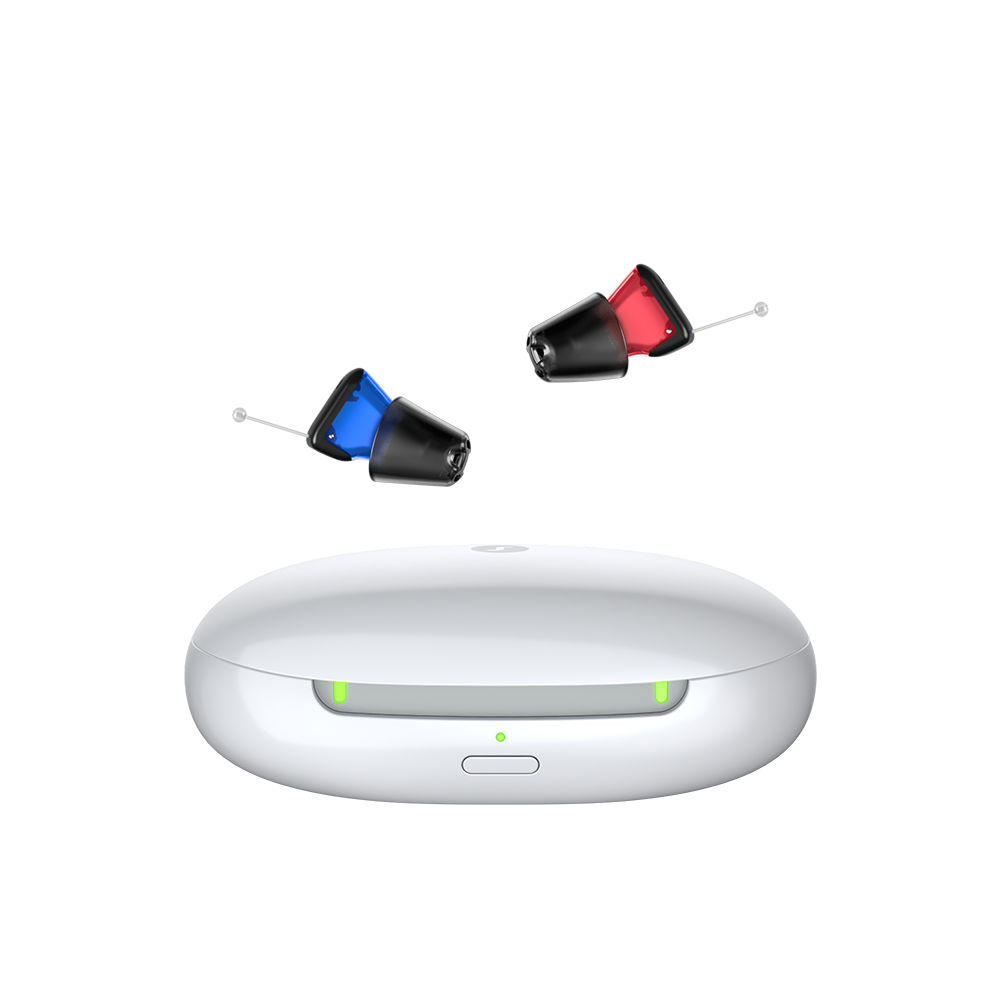
Silk IX provides an instant-fit option for patients who prioritize discretion, comfort, and a streamlined fitting process with no earmold impressions required. Active Pro IX brings a connectivity-focused solution to the portfolio, supporting veterans who want their hearing technology to integrate seamlessly into daily routines and digital life. CIC Rechargeable Custom IX pairs the personalized fit of a custom device with the convenience of rechargeability – two priorities that matter to a growing number of patients.
Taken together, these additions strengthen the IX platform's ability to support a broad range of clinical and lifestyle considerations, from discretion and convenience to connectivity and long-term wearability, all within the same familiar fitting environment.
AudiologyOnline: How can a unified platform help simplify the clinical experience for audiologists working in high-volume VA settings?
Signia: VA audiologists are navigating an extremely demanding environment. High patient volumes, extensive documentation, and growing productivity expectations leave very little room for inefficiency.
On top of that, audiologists are trying to balance operational demands with the individualized care that leads to successful outcomes. That tension defines much of modern audiology. Research has shown that administrative burden and time constraints are among the leading contributors to audiologist stress and burnout1,2, and those pressures can be especially acute in high-volume healthcare environments.
The stakes of any disruption are high. A fitting that needs to be redone or a device that requires a remake doesn't just affect one patient; it impacts an already full schedule. Many veterans have waited months for an appointment or traveled significant distances to be seen, making avoidable follow-ups particularly consequential.
That’s the environment the expanded IX portfolio was built for. By bringing a broad range of solutions into a familiar fitting ecosystem, audiologists can address diverse patient needs through a consistent workflow and spend more time focused on patient care.
AudiologyOnline: Why does the first fitting carry so much weight in a VA setting?
Signia: A successful first fit matters in any hearing care setting. In the VA, the stakes are higher. Appointment availability is often limited, and audiologists are managing a high volume of patients, which means preventable issues that lead to remakes, additional appointments, or extended troubleshooting create ripple effects throughout an already stretched-thin schedule.
When a fitting goes smoothly, patients can begin benefiting from their technology sooner, and audiologists can focus their attention on helping more patients achieve successful outcomes. That's why comfort, ease of use, strong real-world performance, and tools that help patients manage routine listening preferences all carry real weight. The goal is to help patients leave the clinic with a solution that supports long-term success, and to keep unnecessary friction out of the care journey for everyone involved.
AudiologyOnline: Why are group conversations particularly challenging for veterans, and how does IX address those situations?
Signia: For most veterans, the hardest listening situations aren't quiet one-on-one conversations, but instead are the environments that define everyday life: family gatherings, community events, restaurants, meetings, anywhere multiple people are talking at once.
What makes these situations so difficult is a fundamental limitation of traditional directional systems. Narrow the focus to one speaker and you lose awareness of others; widen it, and you pull in more noise.
Signia IX was built to break that tradeoff. RealTime Conversation Enhancement tracks multiple conversation partners simultaneously, helping wearers stay engaged in group settings while managing competing noise. In clinical testing, IX demonstrated a 22% improvement in speech understanding in noisy group conversations compared to leading competitors3; a difference wearers reported noticing in the real-world situations where it matters most.
AudiologyOnline: Why is it important that veterans can access the same IX technology across multiple form factors?
Signia: Hearing aid selection is about much more than hearing loss alone. Audiologists often balance considerations such as dexterity, comfort, cosmetic preferences, lifestyle, and how a device will fit into a patient's daily routine. A patient may wear glasses, use oxygen, have dexterity limitations, or simply have a strong preference for a particular style of device. Those factors should absolutely influence the fitting decision.
As a result, different patients may benefit from different form factors. For some, a custom device may be the right choice. Others may be better served by an instant-fit option, a traditional RIC, or a BTE. The objective is to identify the solution that best supports the individual's hearing needs, communication goals, and day-to-day life.
What shouldn't change is the quality of the underlying technology. Audiologists should be able to recommend the form factor that best fits a patient's needs without worrying about sacrificing features or performance. By making IX technology available across multiple device styles, audiologists can focus on what's right for the individual, ultimately maintaining confidence in the hearing experience they're delivering.
AudiologyOnline: Looking ahead, what qualities will hearing technology platforms need to deliver in order to support the future of VA audiology?
Signia: We're proactively moving toward a future where audiologists need both flexibility and consistency. Patient needs are becoming increasingly diverse, and audiologists need the ability to address those needs without constantly changing systems, workflows, or fitting approaches.
That's one of the reasons platform-based innovation is so important. Rather than thinking about hearing aids as individual products, we're thinking about ecosystems that give audiologists access to multiple form factors, feature sets, and fitting options while maintaining a familiar clinical experience.
We want to give audiologists the freedom to focus on what's best for their patient. When audiologists can choose the right solution based on hearing needs, lifestyle, and personal preference without worrying about workflow disruptions or technology tradeoffs, they're in a better position to deliver truly personalized care.
References
1. Emanuel D. C. (2021). Occupational Stress in U.S. Audiologists. American journal of audiology, 30(4), 1010–1022. https://doi.org/10.1044/2021_AJA-20-00211
2. Zimmer, M., Emanuel, D. C., & Reed, N. S. (2022). Burnout in U.S. Audiologists. Journal of the American Academy of Audiology, 33(1), 36–44. https://doi.org/10.1055/s-0041-1735253
3. Jensen N.S., Mohnlein-Gilbert K., Wilson C., Berwick N., Kamkar Parsi H., et al. 2024a. Signia IX with pioneering multi-stream technology delivers 22% better speech understanding in noisy group conversation than a competitor with an AI co-processor-driven platform. Signia White Paper. Retrieved from www.signia-library.com.

Sheena Burks, AuD, MBA
Chief Clinical Officer, WSA
Sheena Oliver is the Chief Clinical Officer at WSA, where she focuses on maximizing patient and provider outcomes across WSA companies in the U.S. In this role, she leverages her deep understanding of clinical practice and healthcare delivery to enhance the impact of hearing care services. Previously, Oliver served as Chief Marketing Officer for WSA Americas region, overseeing marketing and branding initiatives for wholesale and retail brands, including Signia, Widex, Rexton, and HearUSA. She also led the integration of brand teams throughout the U.S., Canada, and Latin America.
Since beginning her career as an audiologist, Oliver has held leadership positions in the hearing aid industry for over 20 years. She brings a unique perspective to her work, grounded in a deep understanding of the needs of hearing care professionals and their patients. Her leadership is focused on driving awareness, delivering value, and increasing profitability by building and inspiring high-performing teams. Oliver holds a BA and MBA from Temple University, an MA from the University of Pittsburgh, and a Doctor of Audiology degree from Salus University.

Eric Branda, AuD, PhD
Head of Audiology & Research, WSA
Eric Branda is the Head of Audiology & Research, WSA. For over 25 years, Eric has been involved in audiological, technical, and research initiatives around the globe. He specializes in investigations on new product innovations, as well as with research partners, helping WSA fulfill its goal of creating advanced hearing solutions for all types and degrees of hearing loss. Dr. Branda received his PhD from Salus University, his AuD from the Arizona School of Health Sciences and his Master’s degree in Audiology from the University of Akron.