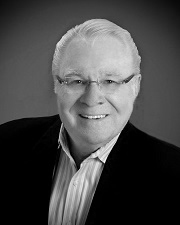
 From the Desk of Gus Mueller
Diagnostic audiology. From what I hear, the test battery in the 1950s was the very basic air and bone conduction, SRTs and monosyllables in quiet. But then came the 1960s, and we started doing real differential testing: the SISI, Bekesy, tone decay and PI/PB rollover, to name a few of the tests. And big changes came in the 1970s, when we replaced the 1960s tests with the more sensitive and specific measures of tympanometry, contra/ipsi acoustic reflex thresholds, and ABR. In the years to follow we added OAEs and some good speech-in-noise tests, and finally, we had a test battery fitting for a doctoral profession—not that of a technician.
Going back to the early 1970s, when the world of diagnostic audiology changed significantly with the routine use of the immittance battery, a new speech pathology graduate was hired in the Audiology and Speech Pathology Clinic at the Methodist Hospital in Houston Texas. He soon, however, was spending his mornings working as an assistant in the busy audiology clinic. Before too long, he was working full-time in the audiology clinic, providing diagnostic services under the supervision of Deborah Hayes, and none other than James Jerger. A few years later, this misplaced speech pathologist had his PhD in audiology from Baylor College of Medicine. Over the past ~50 years, he has advanced to become a North Star in the practice of diagnostic audiology.
Our 20Q guest this month is James W. “Jay” Hall III, PhD, an internationally recognized audiologist with decades of clinical, teaching, research, and administrative experience. Dr. Hall holds an academic appointment as Professor in the Osborne Audiology College, Salus at Drexel University. It is difficult to find a clinical audiologist who does not own one of his books, or has not attended one of workshops or lectures. And indeed, his recognition as a leader and voice of our profession is world-wide. His home office is in his home state of Maine, where his penchant for lecturing has branched out to neighborhood micro-breweries.
Dr. Hall is a Founder and Distinguished Fellow of the American Academy of Audiology, served on the Academy’s Board of Directors, has held several leadership positions within the Academy, and has received the Academy’s Distinguished Achievement Award, Presidential Service Award and the Jerger Career Award for Research. He is the author of over 200 peer-reviewed publications, invited articles, and book chapters, plus . . . 12 textbooks.
You’ve already heard me talk about the audiology battery of the 1950s. It’s 2026—we can do better! Jay provides a great blueprint of how we can make that happen. If nothing else, take a look at Table 2 in his review. When you get together to talk audiology with friends and colleagues at the next Academy meeting, don’t you want to be the one whose test protocol is the far-right column of that chart?
Gus Mueller, PhD
Contributing Editor
Browse the complete collection of 20Q with Gus Mueller CEU articles at www.audiologyonline.com/20Q
20Q: Clinical audiologic testing - 80 years of progress?
Learning Outcomes
After reading this article, professionals will be able to:
- Define the "crosscheck principle" and how it applies to clinical audiologic testing.
- Identify three routine clinical tests that the author believes could be dropped when evaluating an adult with no evidence of middle ear disease or dysfunction.
- Develop patient-specific, evidence-based audiology test batteries which integrate information from the patient's chief complaint, detailed medical history, and lifestyle risk factors.

1. Are you certain the test battery for hearing assessment is only 80 years old? I thought there was a book on this topic in the early 1940s.
You are correct. Cordia C. Bunch (better known as “C.C”) published a book in 1943 with remarkably detailed descriptions and perceptive analyses of pure-tone audiometry findings for patients with a diverse collection of hearing loss etiologies. However, the first clinical test battery combining pure-tone audiometry and speech audiometry was developed in the USA toward the end of World War II. The tests were initially noted in a brief military report in 1946 (Weiner & Miller, 1946). Soon after, Raymond Carhart published an article in a medical journal that included a more detailed description of the novel approach for hearing assessment.
2. What was the main motivation for development of the early test battery? Was it to describe hearing loss prior to hearing aid fitting?
Yes. That important point is central to the theme for our discussion. The primary goal of the hearing assessment with the initial test battery was the identification and description of noise-induced hearing loss to determine the need for and potential benefit from management with hearing aids. The people undergoing assessment were not patients in a clinical setting but, rather, military personnel who were at risk for a sensory hearing loss. The assessments were conducted with the accurate assumption that the most likely etiology for hearing loss was damage to the cochlea incurred during military service. Hearing assessment was not undertaken to differentiate types of hearing loss, or to detect site-specific auditory dysfunction.
At the conclusion of WW II, US Army Captain Raymond Carhart exchanged his military uniform for academic regalia when he returned to a faculty position at Northwestern University. With his extensive wartime experience in assessing and managing mostly noise-induced hearing loss, combined with his academic background in hearing research, Carhart was well-prepared to explore other clinical applications of hearing assessment.
3. What tests were first used for audiologic assessment, and who should be given credit for assembling the first test battery?
A small group of servicemen was involved in early attempts to formally assess the hearing of military personnel and veterans during World War II. However, Raymond Carhart rightfully deserves recognition for constructing the first hearing test battery. As you will note in Table 1, three of the tests were measures of auditory threshold for simple sounds (pure tones or words). The test battery included two suprathreshold measurements for simple sounds. One was a test of single syllable word recognition in a quiet setting. The other was an estimation of comfortable listening levels for pure-tone stimuli. There was no attempt to evaluate a participant’s ability to perceive and process complex speech signals in adverse listening conditions. The hearing assessment was purposefully limited to a single clinical application - estimating the audibility of simple sounds prior to aural rehabilitation with amplification.
Historical Test Procedures (1946) | Current Test Procedures (2019) |
| “Comprehensive Audiometry” (90%)
Tympanometry and acoustic reflexes (18.5%) Otoacoustic emissions (5%) |
Table 1. Comparison of procedures, the initial hearing test battery in 1946, and the currently applied procedures for hearing assessment of adults. Sources: Carhart, 1946; Weiner et al., 1946; Windmill & Freeman, 2019.
4. What about other clinical applications of hearing assessment?
I’ll turn to Dr. Carhart for the comment. Here’s a quote from a 1965 publication. Although Carhart is writing about tests of word recognition performance, the message is appropriate for any type of hearing test:
“The clinician must be clear as to the purpose for which he is measuring discrimination. He must choose both the test to use and the method for administering it so as to satisfy his purpose. Different criteria apply when a test is used in the diagnosis of auditory pathology and in the determination of site of lesion than when it is used in estimating either the efficiency of hearing in everyday life or the potential value of a rehabilitation procedure such as a hearing aid.” (Carhart, 1965, p. 260).
Audiologists can and really should keep multiple purposes in mind in evaluating patients. The focus of an initial assessment of a new patient is diagnostic, that is, to describe type of hearing loss and the anatomic site(s) of dysfunction and to determine whether medical referral is warranted. When the diagnostic process is complete, it’s appropriate to assess whether the patient might benefit from audiologic management, such as amplification.
5. I’ll come back to the diagnostic audiology process in a minute, but first tell me about how the early audiologic test battery compares to the approach for hearing assessment that most audiologists use these days?
I’ve already summarized components of the early test battery. Glance again at the table and you’ll see that most audiologists still rely on the same simple behavioral auditory tests that were used in the earliest years of audiology. The information in the table is from a paper published by Ian Windmill and Barry Freeman in 2019. The authors analyzed Medicare data for more than one million older adults who sought out the services of an audiologist. Included in the analysis was documentation of current procedural terminology (CPT) codes submitted for Medicare reimbursement. The codes confirmed which auditory procedures were utilized in hearing assessment of the patients. As you’ll see, 90% of the audiologists regularly assessed patients with three threshold tests plus measurement of word recognition in quiet. The test battery almost always included pure-tone audiometry with six or eight air conduction signals, and pure-tone audiometry with four bone conduction signals. Unfortunately, pure-tone audiometry has limited value in the differential diagnosis of auditory dysfunction (Hall, 2021; Musiek et al., 2017). Speech audiometry consisted of speech reception threshold, probably with spondee words, and estimation of word recognition presumably with a 25- or 50-item list of single-syllable phonetically balanced (PB) words presented at a comfortable listening level and with scores reported in percentage correct.
The persistent reliance on the old air-bone-speech test approach in audiology today is quite remarkable considering the advances in techniques and technologies for hearing assessment that have been reported, beginning with the “site-of-lesion” tests in the 1960s. The simplicity of the test battery is also rather disappointing given the numerous well-recognized limitations and weaknesses of pure tone and simple speech audiometry in the diagnostic assessment of peripheral and central auditory dysfunction (e.g., Hall, 2021; Musiek et al., 2016).
6. I vaguely recall hearing about those old “site-of-lesion” tests. Could you provide a brief review of audiology history?
I’d be happy to. Beginning in the 1960s and continuing into the 1970s, James Jerger greatly expanded the diagnostic audiology test battery. Dr. Jerger and colleagues, particularly his wife Susan Jerger (also an audiologist), developed and clinically validated many behavioral tests for diagnosis of auditory dysfunction, almost all with catchy acronyms. Some examples are the SISI (Short Intensity Increment Index), the SAL (Sensorineural Acuity Level) test, BCL (Bekesy Comfortable Loudness) test, the STAT (Suprathreshold Adaptation Test), the SSI (Synthetic Sentence Identification) test, and the PI-PB (performance intensity function for phonetically balanced words) test. Audiologists who administered the traditional site-of-lesion test battery in the 1960s and 1970s were almost always attempting to determine whether the patient had a sensory hearing loss resulting from a cochlear etiology, or a retrocochlear hearing loss secondary to a neoplasm involving the 8th cranial nerve, such as a vestibular schwannoma.
Throughout the 1970s, Dr. Jerger published research findings documenting the value of a test battery for accurate diagnosis in patients with medically-confirmed peripheral and central auditory dysfunction associated with a variety of etiologies (e.g., Jerger & Jerger, 1975). In fact, within the decade from 1970 to 1980, Jerger and colleagues authored more than 75 publications about diagnostic audiology with behavioral and objective auditory tests. Other clinical researchers developed and reported additional diagnostic auditory tests during the same time frame. Most were behavioral procedures for assessing auditory processing and central auditory nervous system function, such as dichotic listening tests (e.g., the staggered spondaic word [SSW] test), degraded speech tests (e.g., time compressed, low-pass filtered), and various tests of speech perception in noise.
7. Thanks for the refresher course. Except for perhaps the SSW, I don’t know any audiologists who perform those tests in their clinical practice. Why aren’t they used today?
I’d be surprised if the average clinical audiologist today could decipher the acronyms for the traditional site-of-lesion tests. The tests certainly are not widely applied clinically, at least in the United States. A modest number of audiologists continue to apply selected procedures with certain patients. From time to time, I rely on the SAL test (CPT: 92575) to confirm ear-specific bone conduction thresholds in patients with bilateral conductive loss who present a masking dilemma. The SSI (CPT: 92576) is very useful in assessing speech perception in noise for individuals at risk for auditory processing disorders or cognitive impairment. Indeed, research shows that poor performance on the SSI-ICM is an early indicator or precursor of Alzheimer’s dementia (Gates et al., 2011; Strouse, Hall & Burger, 1995; Hall, 2021). The SSW test (CPT: 92572) is also a quick and sensitive tool for detecting possible central auditory dysfunction in children and adults.
The most important explanation for the gradual disuse of traditional site-of-lesion tests, like the SISI, ABLB, tone decay, and Bekesy tests, was the emergence during the 1970s of a variety of objective auditory tests. Aural immittance (impedance) measures, tympanometry and acoustic reflexes, were initially applied clinically in the early 1970s. The auditory brainstem response (ABR) was described and applied clinically soon after. The initial paper on otoacoustic emissions was published in 1978 (see Dhar & Hall, 2018). These objective procedures offered multiple clinical advantages compared to the traditional behavioral site-of-lesion tests, such as the SISI, the alternate binaural loudness balance (ABLB) test, different tone decay tests, and variations of Bekesy audiometry.
8. What clinical advantages are you referring to?
Here’s a short list of the main advantages of objective procedures versus behavioral tests (Hall, 2014). Test time is typically shorter. Test validity isn’t compromised by subject factors such as developmental age, cognitive function, motivation, and state of arousal. Test performance is superior. Objective tests have higher sensitivity and specificity to dysfunction in different regions of the auditory system, including the middle ear, the cochlea, the 8th cranial nerve, and auditory pathways in the brainstem. It’s not an exaggeration to state that widespread clinical access to these objective procedures revolutionized diagnostic audiologic assessment of children and adults.
9. Your answer reminds me of the importance of the crosscheck principle in pediatric audiology.
Yes, you are right on target. Jerger and Hayes (1976) wrote the article describing the crosscheck principle to highlight the clinical value of combining objective and behavioral auditory procedures in the hearing assessment of children. The crosscheck principle is clearly defined by several quotes from the paper:
“We have found that simply observing the auditory behavior of children does not always yield an accurate description of hearing loss."
"The basic operation of this principle is that no result be accepted until it is confirmed by an independent measure.”
"As long as audiologists are willing to accept the results of a single test measure they will continue to misdiagnose and mismanage some children."
Accumulated clinical experience during the past 50 years confirms that the crosscheck principle is a valuable guide for hearing assessment of patients across the lifespan, from infants to older adults (Hall, 2016; Hall, 2014).
10. As you noted, there are now dozens of procedures available for clinical use. How does an audiologist decide which procedures to include in the test battery for a specific patient?
That’s an important clinical question. Let’s assume that the patient is an adult who is self-referred and who is scheduling an appointment for the first time with the audiologist. In other words, the patient was not referred to the audiologist by a physician, like an otolaryngologist. Air conduction pure-tone audiometry is typically included in the test battery for most patients, and is often performed first. However, measurement of audibility for simple pure tone signals in a very quiet test environment has limited diagnostic value. In my experience, an efficient and effective hearing assessment should begin with one or more objective auditory tests. Selection of specific tests is largely driven by the patient’s history and chief complaint with the goal of ruling out or confirming auditory dysfunction and hearing impairment.
11. What chief complaints are you referring to, and how would they contribute to decisions about the selection of tests?
As you know, the chief complaint is what prompted the patient to schedule an appointment with the audiologist. The patient or a family member may express a general concern about hearing. However, the chief complaint could be more specific. Obviously, a common complaint is difficulty hearing speech in noisy settings. It makes sense to include at least one test of speech perception in noise in the test battery for a patient with that chief complaint. Bothersome tinnitus is another common chief complaint. It is important to include diagnostic OAEs in the test battery for patients with bothersome tinnitus to determine whether abnormal cochlear function is contributing to the perception of tinnitus. Patients with bothersome tinnitus may have abnormal OAEs even in the presence of a normal audiogram. Pure tone audiometry doesn’t provide clinically useful information in patients with these chief complaints.
12. Ok. You said that the patient history should include questions about risk factors for hearing loss. Please identify some of them.
There are many factors that increase the likelihood of hearing loss. I’ll only mention some of general health problems associated with hearing loss. Comorbid conditions are one category of risk factors associated with auditory dysfunction and hearing impairment. Comorbid conditions contribute to decisions about which procedures should be included in the test battery, and to management decisions. Over the years, substantial research has confirmed the association between cardiovascular disease and hearing loss. Examples of cardiovascular abnormalities include hypertension, atrial fibrillation, ischemic heart disease, and stroke. Cardiovascular disease is a major risk factor for peripheral and central auditory dysfunction. Other commonly encountered comorbid conditions associated with adult hearing loss are hyperlipidemia (high cholesterol), kidney disease, chronic obstructive pulmonary disease (COPD), rheumatoid arthritis, diabetes, eye diseases and disorders, and cognitive decline including dementia.
13. Would you give me a brief explanation of the connection between these risk factors and your approach for hearing assessment?
Sure. A comprehensive test battery consisting of behavioral and objective procedures beyond simple pure-tone and speech audiometry is required for accurate diagnosis of auditory dysfunction for patients with one or more of these general health problems (Hall, 2021). For example, diabetes is related to cochlear dysfunction. Assessment of a patient with diabetes should routinely include OAEs, even if the patient’s audiogram is normal. Three of these comorbid conditions—cardiovascular disease, COPD, and cognitive decline/dementia—are associated with increased risk of central auditory nervous system dysfunction. Again, the assessment of such patients must extend beyond pure-tone audiometry and simple speech audiometry (e.g., word recognition in quiet).
14. Before we move on, are there any other risk factors for hearing loss that should be gleaned from a patient history?
Yes, questions about lifestyle factors associated with hearing impairment should always be included in a patient history. The research literature includes hundreds of peer-reviewed publications, including meta-analyses involving hundreds of thousands of participants, that confirm a link between lifestyle factors and risk for auditory dysfunction and hearing loss (see Hall, 2021 for a review). Audiologists are very familiar with one of the lifestyle factors—exposure to high levels of noise or music. Three other well-documented risk factors for hearing loss are: 1) poor diet, 2) sedentary lifestyle (insufficient daily exercise), and 3) smoking. Lifestyle factors, like comorbid conditions, will impact decisions about which procedures should be included in the test battery and which management options will be most effective.
15. How does this information impact my management of the patient?
Documentation of auditory dysfunction in patients with comorbid conditions and lifestyle factors impacts management in two major ways. First, the patient should be counseled about the connection between hearing and his or her specific comorbid conditions and/or lifestyle factors. Effective counseling includes references to research findings. Second, audiologists must collaborate with physicians and other health care professionals in addressing the patient’s unhealthy lifestyles and in managing comorbid conditions. Audiologists must interact for the benefit of patients with primary care physicians and various medical specialists, such as cardiologists (cardiovascular disease), endocrinologists (diabetes, hyperlipidemia), nephrologists and urologists (kidney disease), pulmonologists (COPD), rheumatologists (rheumatoid arthritis), ophthalmologists and optometrists (eye disease and visual disorders), plus neurologists, psychiatrists, and psychologists (cognitive impairment and dementia).
16. I’m consistently under pressure to minimize test time and generate clinical revenue. Is it really feasible to expect an audiologist to routinely obtain a detailed patient history and to administer a comprehensive patient-specific test battery?
Absolutely. In fact, based on my 40+ years of clinical experience, a patient-specific test battery often requires no more or often less test time than the one-size-fits-all collection of tests that audiologists typically rely on almost exclusively. The important information quickly gathered contributes to a more accurate diagnosis and to more effective management. As before, let’s assume for this discussion that the patient is an adult who is seeing the audiologist for the first time.
The process begins with a patient history that includes questions about general health and hearing health. The general health section includes yes or no questions about dozens of symptoms and diseases, past medical care and surgeries, and all prescription medications and over-the-counter substances the patient is taking. To save time and enhance the accuracy of the information collected from the history, it’s best for the patient to complete a detailed paper/pencil or digital history form at home before the audiology appointment and to deliver it in advance to the audiologist.
Begin the assessment, typically in designated clinic room but not a sound booth, with otoscopy and then three quick objective tests: 1) tympanometry, 2) measurement of ipsilateral and contralateral acoustic reflex thresholds for both ears with a pure tone stimulus and a broadband noise (BBN) stimulus, and 3) a diagnostic distortion product otoacoustic emissions protocol, e.g., four test frequencies per octave over the range of 500 Hz to > 8000 Hz (Dhar & Hall, 2018). The modest initial investment in time collecting and analyzing objective data on auditory function immediately pays off. Before stepping into the sound booth, the audiologist will usually know whether the patient has normal hearing sensitivity or a hearing loss. If a hearing loss is likely, the audiologist also has a good idea of the type—conductive, sensory, or neural.
Table 2 shows a summary of the estimated time required to administer the conventional collection of four tests versus the time required to administer a series of patient-specific tests. The patient is an adult with no history of ear disease with normal tympanometry and a normal ipsilateral acoustic reflex threshold. Most adults are at low risk for ear disease, and > 95% of adult patients have normal middle ear function (Zapala et al., 2010). There is no reason to perform bone conduction pure-tone audiometry if tympanograms are normal and acoustic reflexes are recorded at normal levels. The likelihood of conductive hearing loss is essentially nil.
In 2010, David Zapala and colleagues at the Mayo Clinic in Jacksonville Florida published an interesting paper entitled “Safety of audiology direct access for Medicare patients complaining of impaired hearing.” In a series of 1550 older adult patients, hearing loss was typically noise-induced or age-related. Few patients were diagnosed with ear disease. Prevalence of otologic etiologies were: chronic otitis media, 4.5%; otosclerosis, 0.06%; cholesteatoma, 0.01%; Meniere’s disease, 0.15%; sudden idiopathic hearing loss, 0.02%; hearing loss associated with multiple sclerosis, 0.01%; vestibular schwannoma or other retrocochlear mass, 0.002%; labyrinthitis, 0.0004%. The authors also presented a compelling argument that audiologists consistently identify adult patients who might have ear disease and routinely make proper medical referrals. The bottom line is that an audiologist providing services to an adult patient population doesn’t need to routinely perform bone conduction pure-tone audiometry.
Estimation of speech recognition or reception threshold is also an unproductive expenditure of precious test time with most adult patients. The typically stated rationale for estimating the SRT—assuring the accuracy of or “crosschecking” pure tone audiometry—is flawed. Both threshold measurements are influenced by the same listener variables that can compromise any behavioral test, including the patient’s ability to understand instructions, cooperation, motivation, and cognitive factors such as memory and attention. In addition, there is virtually no chance that the SRT will contribute meaningfully to the diagnosis or management of an adult patient with the characteristic high frequency sensory hearing loss.
Test Procedure | Conventional Test Battery | Patient-Specific Test Battery |
Pure tone audiometry: Air conduction | 7.5 minutes | 7.5 minutes |
Pure tone audiometry: Bone conduction | 6.0 minutes | DNT |
Speech reception threshold | 5.0 minutes | DNT |
Word recognition in quiet | 5.0 minutes | DNT |
Aural immittance: tympanometry | DNT | 2.5 minutes |
Aural immittance: acoustic reflex threshold | DNT | 2.5 minutes |
Distortion product otoacoustic emissions | DNT | 5.0 minutes |
Speech perception in noise | DNT | 7.5 minutes |
Total time in minutes | 23.5 minutes | 25.0 minutes |
Table 2. Comparison of test times for a conventional test battery versus a comprehensive patient-specific test battery. The patient is an adult with no evidence of middle ear disease or dysfunction (normal tympanometry and acoustic reflex). DNT = did not test. Source: Basar & Canbaz (2015).
17. Do you have some suggestions for how an audiologist might use the time saved by not administering bone conduction pure-tone audiometry and estimation of the SRT?
Of course. There are at least three simple ways an audiologist might put saved test time to good use. The liberated test time could be transferred to the more complicated assessment of another patient. Or, an additional patient may be scheduled in a time slot resulting from the accumulated savings in test times for multiple patients. Perhaps the best use of saved test time for patients who complain of difficulty hearing in noise settings is to perform one or more tests of speech perception in noise, rather than assessing simple word recognition in quiet. This test option is appealing and logical because it addresses the real-world auditory problem that brought the patient to see the audiologist. Information gleaned from the patient’s speech-in-noise performance also will almost certainly contribute to a more precise diagnosis as well as more appropriate and effective management.
There are many examples of the diagnostic benefits arising from poorer than expected scores on a speech perception in noise test. As already noted, abnormal performance on a speech-in-noise test, like the SSI-ICM, may indicate cognitive impairment or early dementia. Recently, in a series of peer-reviewed articles from Stanford Medical Center, Matt Fitzgerald and colleagues (e.g., Qian et al., 2023; Smith, Winn & Fitzgerald, 2023) provided convincing evidence that inter-aural asymmetries in the performance of a popular speech-in-noise test, the QuickSIN, “was more sensitive and specific than pure-tone average asymmetry and word-recognition-in-quiet asymmetry for detecting VS” [vestibular schwannoma]. Impaired speech perception in noise is associated with selected comorbid conditions noted earlier, such cardiovascular disease. Moreover, the extensive data from the Stanford group supported what I’m saying here—for most patients, a speech-in-noise test, like the QuickSIN, should routinely replace monosyllabic word recognition testing in quiet.
18. The new and improved test strategy that you’ve outlined seems to make sense. Is there a place in an audiology practice for the traditional test battery that has been around since 1946?
The rather simple air-bone-speech approach is adequate for periodically documenting hearing status of adult patients who previously underwent comprehensive diagnostic assessment and who do not have any of the risk factors already mentioned. And, the traditional test battery may provide enough basic information for decisions regarding audiologic management, such as amplification, although you’ll note that hearing aid fitting guidelines and standards (e.g., APSO; Mueller et al., 2021) all include conducting speech-in-noise testing.
19. Where could an interested reader find more information about the topics we discussed? I’m thinking about comorbid conditions and lifestyle factors associated with hearing loss, and a more patient-specific approach to hearing assessment.
I’ve published an article on “promoting healthy hearing over the lifespan” that provides a more detailed review of the topics we’ve discussed today (Hall, 2021). Readers who conduct even a cursory literature search, e.g., www.nlm.nih.gov/PubMed, will find hundreds of articles on comorbid conditions and lifestyle factors associated with hearing loss. I always begin my information gathering process with review articles and papers describing the results of a meta-analysis of many individual studies.
20. Any final thoughts?
I urge readers to seriously consider this efficient and evidence-based approach to hearing assessment that we’ve talked about today. Based on my experience as an audiology clinic director and a service provider, I suggest the following multi-step process for implementing the approach: 1) assemble the necessary equipment and test materials (e.g., speech-in-noise tests), 2) notify audiology colleagues, physicians, and others who refer patients about the changes in your protocol for hearing assessment, 3) communicate with third-party payors about the rationale for the new test procedures (and CPT codes), 4) expand your counseling of patients and family members to include information about the relation of general health and lifestyle to their hearing status, even for younger adult patients who do not have a hearing loss that requires audiologic management, and 5) cite the connections between general health and lifestyle factors in your narrative patient reports to referring physicians and to the patient’s primary care physician. The patients of audiologists who implement this more holistic approach to audiologic assessment will benefit from healthier hearing, more effective communication, and perhaps more healthy living. Audiologists will also benefit in various ways.
References
Basar, F., & Canbaz, S (2015). What is the audiological evaluation time for those aged 0-5 years and older. International Advances in Otology, 11 (1), 42-47.
Bunch, C. C. (1943). Clinical audiometry. Mosby.
Carhart, R. (1946a). Tests for selection of hearing aids. Laryngoscope, 56, 780–794
Carhart R (1965). Problems in the measurement of speech discrimination. Archives of Otolaryngology, 82, 253-260
Dhar, S. & Hall, J. W. III. (2018). Otoacoustic emissions: Principles, procedures, and protocols. Plural Publishing.
Gates, G. A., Anderson, M. L., McCurry, S. M., Feeney, M. P., & Larson, E. B. (2011). Central auditory dysfunction as a harbinger of Alzheimer’s dementia. Archives of Otolaryngology–Head & Neck Surgery, 137(11), 390–395. https://doi.org/10.1001/archoto.2011.182
Hall, J. W., III. (2014). Introduction to audiology today. Pearson Education.
Hall, J. W., III. (2016). The crosscheck principle in pediatric audiology: A 40-year perspective. Journal of Audiology and Otology, 20(2), 59–67.
Hall, J. W., III. (2021). Promoting healthy hearing over the lifespan. Auditory and Vestibular Research, 30(2), 74–79.
Jerger, J., & Hayes, D. (1976). The cross-check principle in pediatric audiometry. Archives of Otolaryngology, 102(10), 614–620.
Jerger, J., & Jerger, S. (1975). Clinical validity of central auditory tests. Scandinavian Audiology, 4(3), 147–163.
Mueller, H.G., Coverstone, J., Galster, J., Jorgensen, L., & Picou, E. (2021). 20Q: The new hearing aid fitting standard - A roundtable discussion. AudiologyOnline, Article 27938 Available at www.audiologyonline.com
Musiek, F. E., Shinn, J., Chermak, G. D., & Bamiou, D. E. (2017). Perspectives on the pure-tone audiogram. Journal of the American Academy of Audiology, 28(7), 655–671.
Qian, Z. J., Vaisbuch, Y., Gianakas, S. P., Tran, E. D., Ali, N. E. S., Blevins, N. H., & Fitzgerald, M. B. (2023). Evaluation of asymmetries in speech-in-noise abilities in audiologic screening for vestibular schwannoma. Ear & Hearing, 44(6), 1540–1547.
Smith, M. L., Winn, M. B., & Fitzgerald, M. B. (2023). A large-scale study of the relationship between degree and type of hearing loss and recognition of speech in quiet and noise. Ear & Hearing, 44(4), 915–928.
Strouse, A. L., Hall, J. W., III, & Burger, M. C. (1995). Central auditory processing in Alzheimer’s disease. Ear and Hearing, 16(2), 230–238.
Wiener, F., & Miller, G. (1946). Hearing aids. In Combat instrumentation II (NDRC Report 117, pp. 216–232). National Defense Research Committee.
Windmill, I. M., & Freeman, B. A. (2019). Medicare, hearing care, and audiology: Data-driven perspectives. Audiology Today, 31(2), 16–26.
Zapala, D. A., Stamper, G. C., Shelfer, J. S., Walker, D. A., Karatayli-Ozgursoy, S., Ozgursoy, O. B., & Hawkins, D. B. (2010). Safety of direct access for Medicare patients complaining of hearing impairment. Journal of the American Academy of Audiology, 21(6), 365–370.
Citation
Hall, J. W. III. (2026). Clinical audiologic testing - 80 years of progress? AudiologyOnline, Article 29533. Available from www.audiologyonline.com