Question
How do ENG protocols differ for testing pediatric patients? What is the youngest age recommended for performing this test? At what point might balance assessment be necessary for pediatric patients?
Answer
Our practice is predominately adult, but we are asked occasionally to evaluate pediatric patients. I believe the youngest we have evaluated is 7-8 years of age. I think you have to do this empirically. Some children are pretty tough and if mom or dad are there and if the audiologist is empathetic and compassionate (I know, lots of ''ifs'' ) it is possible to coach them through the entire ENG examination. Rotary chair testing can be accomplished by having the child sit in the parent's lap. Usually rotary chair tests are better tolerated by children, but they do not replace a good caloric test. I think a vestibular assessment in the pediatric patient is needed whenever there is a suspicion that a vestibular system problem exists.
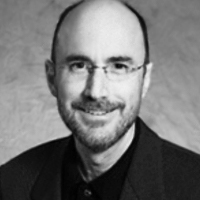
BIO: Gary P. Jacobson, Ph.D. is Director of the Division of Audiology for the Henry Ford Health System. He is a past-president of the American Society of Neurophysiological Monitoring, current Editor of the American Journal of Audiology (AJA-ASHA) and is an Associate Editor (Electrophysiology) for the Journal of the American Academy of Audiology (JAAA). He serves on the Board of Directors and the Scientific Advisory Committee for the American Tinnitus Association. He is a co-editor of the text the ''Handbook of Balance Function Testing.''
Continued and its subsidiaries provide professional education authored by qualified Subject Matter Experts for continuing education purposes. These materials are intended for educational purposes and do not constitute medical advice or a substitute for individual clinical judgment. Continued is not a clinical healthcare provider; the licensed professional is solely responsible for ensuring that the application of any techniques or information presented is within their legal scope of practice and jurisdictional requirements.
Gary Jacobson, PhD
Professor at Vanderbilt University, Director of the Division of Audiology, and Co-director of the Division of Vestibular Sciences at the Vanderbilt Bill Wilkerson Center at Vanderbilt University Medical Center
Dr. Gary Jacobson is a Professor at Vanderbilt University, Director of the Division of Audiology, and Co-director of the Division of Vestibular Sciences at the Vanderbilt Bill Wilkerson Center at Vanderbilt University Medical Center. He is past editor of the American Journal of Audiology and incoming editor of the Journal of the American Academy of Audiology. Dr. Jacobson is co-editor of the textbooks “Handbook of Balance Function Testing” and “Balance Function Assessment and Management.” He is recipient of both the Honors of the American Speech-Language Hearing Association, and the Jerger Career Award for Research in Audiology from the American Academy of Audiology.
Related Courses
1https://www.audiologyonline.com/audiology-ceus/course/vanderbilt-audiology-journal-club-vestibular-35646Vanderbilt Audiology Journal Club: A Vestibular UpdateThis edition of the Vanderbilt Audiology Journal Club covers recent articles and publications on vestibular topics presented by Gary Jacobson PhD, Richard A Roberts PhD, and Kelsey Hatton AuD.auditory, textual, visual129USDSubscriptionUnlimited COURSE Access for $129/yearOnlineOnlyAudiologyOnlinewww.audiologyonline.comVanderbilt Audiology Journal Club: A Vestibular UpdateThis edition of the Vanderbilt Audiology Journal Club covers recent articles and publications on vestibular topics presented by Gary Jacobson PhD, Richard A Roberts PhD, and Kelsey Hatton AuD.35646OnlinePT60M
'A very good review as to how to differentiate among (the various types of) BPPV versus other vestibular pathologies via their characteristic nystagmus patterns'Read Reviews
This edition of the Vanderbilt Audiology Journal Club covers recent articles and publications on vestibular topics presented by Gary Jacobson PhD, Richard A Roberts PhD, and Kelsey Hatton AuD.
2https://www.audiologyonline.com/audiology-ceus/course/vanderbilt-audiology-journal-club-vestibular-32240Vanderbilt Audiology Journal Club: A Vestibular UpdateThis edition of the Vanderbilt Audiology Journal Club will cover recent articles and publications on vestibular topics presented by Gary Jacobson, PhD, Richard A. Roberts, PhD and Kelsey Hatton, AuD.auditory, textual, visual129USDSubscriptionUnlimited COURSE Access for $129/yearOnlineOnlyAudiologyOnlinewww.audiologyonline.comVanderbilt Audiology Journal Club: A Vestibular UpdateThis edition of the Vanderbilt Audiology Journal Club will cover recent articles and publications on vestibular topics presented by Gary Jacobson, PhD, Richard A. Roberts, PhD and Kelsey Hatton, AuD.32240OnlinePT60M
This edition of the Vanderbilt Audiology Journal Club will cover recent articles and publications on vestibular topics presented by Gary Jacobson, PhD, Richard A. Roberts, PhD and Kelsey Hatton, AuD.
3https://www.audiologyonline.com/audiology-ceus/course/meniere-s-disease-in-children-41987Meniere’s Disease in ChildrenThis course looks into the phenotype, genesis, pathophysiology, epidemiology, diagnosis, and management of Meniere’s syndrome in children. It is filled with real-world cases the author encountered while working in specialized pediatric vestibular centers.auditory, textual, visual129USDSubscriptionUnlimited COURSE Access for $129/yearOnlineOnlyAudiologyOnlinewww.audiologyonline.comMeniere’s Disease in ChildrenThis course looks into the phenotype, genesis, pathophysiology, epidemiology, diagnosis, and management of Meniere’s syndrome in children. It is filled with real-world cases the author encountered while working in specialized pediatric vestibular centers.41987OnlinePT90M
This course looks into the phenotype, genesis, pathophysiology, epidemiology, diagnosis, and management of Meniere’s syndrome in children. It is filled with real-world cases the author encountered while working in specialized pediatric vestibular centers.
4https://www.audiologyonline.com/audiology-ceus/course/improving-ehdi-with-caeps-clinical-31492Improving EHDI with CAEPs: Clinical Assessment of the Cortical Auditory Evoked Potential in Children with Hearing LossThis course will provide an overview of cortical auditory evoked potentials, current research, benefits and limitations to using CAEPs in a busy clinic, and several case studies.auditory, textual, visual129USDSubscriptionUnlimited COURSE Access for $129/yearOnlineOnlyAudiologyOnlinewww.audiologyonline.comImproving EHDI with CAEPs: Clinical Assessment of the Cortical Auditory Evoked Potential in Children with Hearing LossThis course will provide an overview of cortical auditory evoked potentials, current research, benefits and limitations to using CAEPs in a busy clinic, and several case studies.31492OnlinePT60M
This course will provide an overview of cortical auditory evoked potentials, current research, benefits and limitations to using CAEPs in a busy clinic, and several case studies.
5https://www.audiologyonline.com/audiology-ceus/course/quantitative-vestibular-function-testing-pediatrics-35334Quantitative Vestibular Function Testing in the Pediatric Population, presented in partnership with Seminars in HearingThe purpose of this presentation is to provide an overview of how to perform vestibular tests in children, including which tests are recommended based on the child’s age and any modifications or considerations that can be made.auditory, textual, visual129USDSubscriptionUnlimited COURSE Access for $129/yearOnlineOnlyAudiologyOnlinewww.audiologyonline.comQuantitative Vestibular Function Testing in the Pediatric Population, presented in partnership with Seminars in HearingThe purpose of this presentation is to provide an overview of how to perform vestibular tests in children, including which tests are recommended based on the child’s age and any modifications or considerations that can be made.35334OnlinePT60M
The purpose of this presentation is to provide an overview of how to perform vestibular tests in children, including which tests are recommended based on the child’s age and any modifications or considerations that can be made.