

Bridging the Gap in Tinnitus Care
AudiologyOnline: Dr. Farrar, the 2024 Apple Hearing Study cites a statistic that only 2.1% of tinnitus patients have actually accessed Cognitive Behavioral Therapy (CBT), despite it being the gold-standard recommendation. Why is this gap so persistent, and how does it impact the average audiology clinic?
Dr. Edmund Farrar: That 2.1% figure is truly the "elephant in the room" for our profession. The disconnect isn’t a lack of evidence; it’s a lack of infrastructure. Most audiologists are acutely aware that CBT is what their patients need, but they simply don't have a referral partner. If you’re a busy clinician, where do you send that patient? Psychologists often have months-long waiting lists and may not have specialized training in tinnitus distress.
This impacts the clinic by creating a "revolving door" of frustrated patients. When we can’t provide a clear, actionable pathway for the emotional distress associated with tinnitus, patients often feel dismissed. They’ve been told "nothing can be done," and without a referral for CBT, that becomes a self-fulfilling prophecy. We founded Oto to give clinicians a practical way to say, "I have something for you today," rather than "Good luck finding a therapist."
AudiologyOnline: Dr. Salem, could you elaborate on the significance of finding that a digital therapeutic could perform as well as face-to-face therapy?
Dr. Joseph Salem: The DEFINE trial was a landmark moment for us. It was a randomized controlled trial (RCT)—the highest level of clinical evidence—conducted alongside the University of Cambridge. We randomized 120 participants to either the Oto digital therapeutic or one-to-one face-to-face CBT with expert therapists.
What we found was a "non-inferiority" result: the digital program was as effective as face-to-face therapy. Both groups saw an average improvement in their Tinnitus Functional Index (TFI) scores well above the clinically significant threshold of 13 points. Even more exciting was the 12-month follow-up data, which showed that these improvements were maintained long-term.
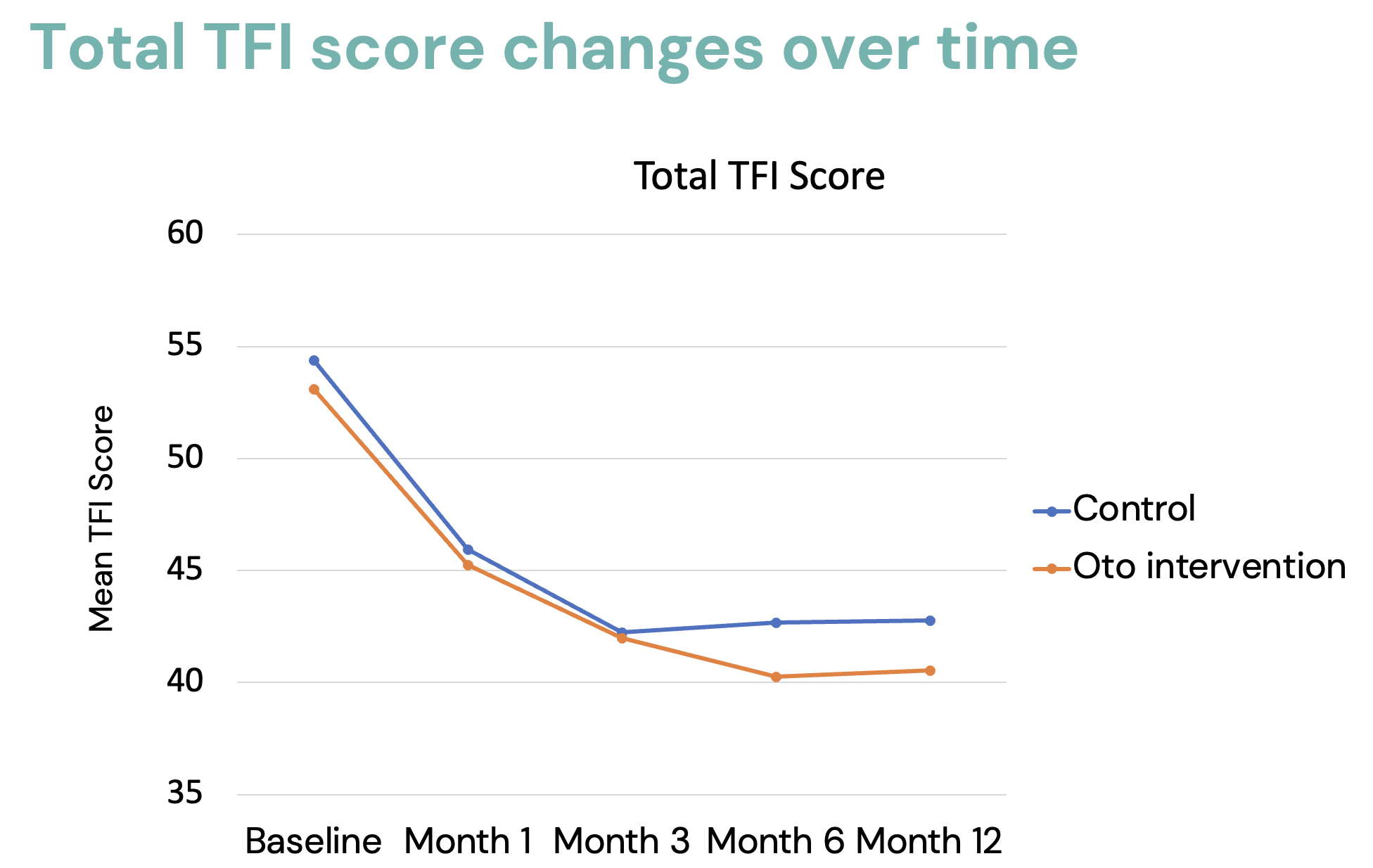
Figure 1. Total TFI score changes over time.
The data also revealed a fascinating "dosage" effect. Oto delivered four times more therapy hours than face-to-face sessions. Because the app is in the patient’s pocket, they were accessing help between 10 PM and 1 AM—times when a traditional therapist is never available but when tinnitus distress is often at its peak.
AudiologyOnline: A common concern among hearing professionals is whether digital tools like Oto replace the clinician. How do you see Oto fitting into the traditional audiological workflow, particularly alongside hearing aid fittings?
Dr. Edmund Farrar: Oto is an adjunct, not a replacement. We like to say that while hearing aids address the auditory component of tinnitus, Oto addresses the limbic and cognitive components.
In a typical workflow, we recommend "staggering" the interventions. If you fit a hearing aid and start a CBT program on the same day, it’s sensory overload. Instead, we suggest starting Oto on "Day Zero"—the day of the evaluation. This gives the patient an immediate sense of agency while they wait for their devices to be ordered or fitted. It "primes" the brain for habituation. By the time they come back for their hardware follow-up, they’ve already started the cognitive work, which often makes them more successful with their hearing aids.
AudiologyOnline: You mentioned a specific "emotion question" that every clinician should ask. Why is this so critical for determining a patient’s suitability for CBT?
Dr. Edmund Farrar: The question is: "When your tinnitus is bad, what is the emotion you feel?"
If the patient says "anger," "frustration," or "sadness," they have bothersome tinnitus. This is a critical distinction because CBT is designed to change that emotional reaction. If a patient just says "it’s annoying but doesn’t really stop me from doing anything," they might not need intensive CBT.
We also have to "sell" habituation. Patients come in looking for a "cure"—meaning the sound disappears. We have to pivot them toward "habituation"—meaning the sound stays, but the brain stops caring about it. We use the metaphor of a refrigerator hum; your brain knows the sound is there, but it stops labeling it as a "threat." Once the patient understands that habituation is a biological process they can trigger through the Oto program, their compliance skyrockets.
AudiologyOnline: Compliance is the Achilles' heel of any "at-home" treatment. How does Oto ensure patients actually do the work, and how should clinics structure this as a service?
Dr. Joseph Salem: We’ve designed Oto to be "sticky," but the clinician’s role in accountability is paramount. Our Oto Pro dashboard allows audiologists to see exactly how many sessions a patient has completed. If a patient comes in for a 4-week follow-up and hasn't logged in, we teach clinicians to be "curiously accountable." Instead of scolding, ask: "What stopped you from doing the sessions?" It often uncovers a simple scheduling hurdle that can be solved in the office.
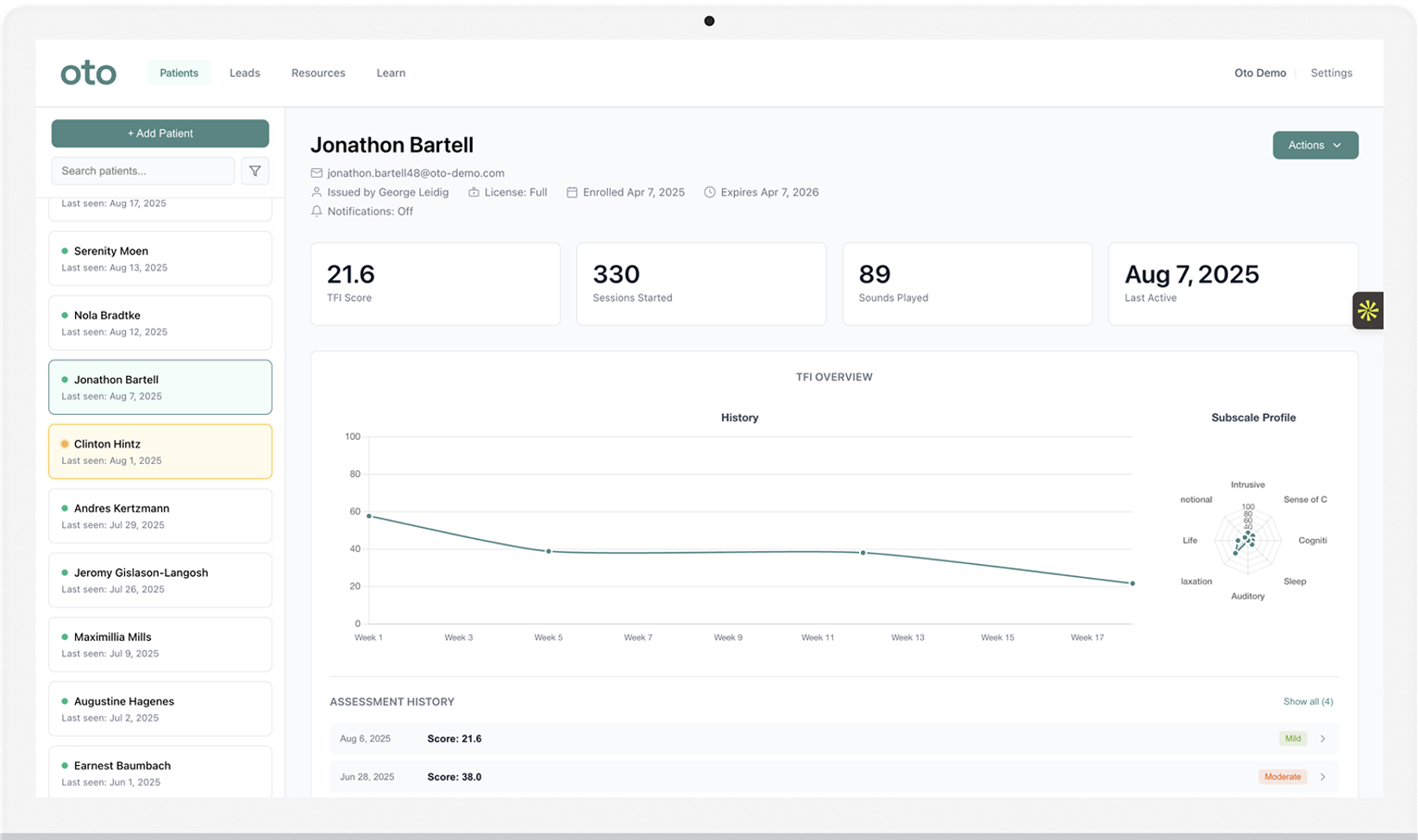
Figure 2. The Oto Health dashboard for Hearing Health Professionals to monitor patient compliance.
Dr. Edmund Farrar: Commercially, we recommend a "bundled" approach. In the US, Oto is only available through providers. We suggest charging a fee—typically between $500 and $650—that includes the Oto license and two dedicated follow-up appointments (either in-person or via telehealth). This ensures the clinic is compensated for their expertise and the patient feels they are receiving a comprehensive medical program, not just "an app."
AudiologyOnline: Any final words for Hearing Healthcare Professionals?
Dr. Edmund Farrar: Don't be afraid of the "difficult" tinnitus patient. With the right tools and a structured explanation of habituation, these can become your most loyal patients. We are here to provide the clinical coaching and the digital platform to make that happen.
Dr. Joseph Salem: The research is clear: digital delivery of CBT is the future of tinnitus care. It’s about meeting patients where they are—at 2 AM, in their own homes—and giving them the tools to reclaim their lives.


Edmund Farrar
Dr. Edmund Farrar, a former military doctor, co-founded Oto after witnessing firsthand how difficult it was for patients to access quality tinnitus support. Alongside Dr. George Leidig, both shaped by their own experiences with tinnitus, Ed realized they could make a real difference by offering expert, patient-centered tinnitus coaching. Together, they’ve built Oto to help people reclaim their lives from tinnitus through accessible, evidence-based care.
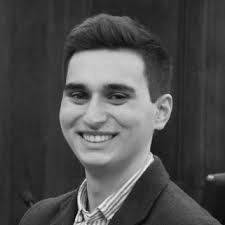
Joseph Salem, MD
Dr. Joseph Salem is a practicing Otolaryngologist Guy’s and St Thomas’ NHS Foundation Trust where he specializes in the management of complex ear, nose, and throat conditions. A published expert with more than 25 peer-reviewed papers, Joseph’s research spans surgical innovation, clinical outcomes, and digital transformation in ENT care. Alongside his academic and clinical practice, he advocates for integrating technology and evidence-based medicine to enhance patient access and experience. His work bridges frontline surgery with digital health innovation, driving forward a modern, data-informed approach to otolaryngology.