 From the Desk of Gus Mueller

When we think of sigma that is associated with hearing loss and the use of hearing aids, it’s typically experiences of stigma-induced identity threat—that is, when stigma-relevant stressors are appraised by patients as potentially harmful to their social identity. Hearing care professionals often talk about hearing aid stigma as the major reason why adults with hearing loss do not accept devices. But is that really what is happening?
It was back in 1977, when audiologist Jeff Danhauer and colleagues first used the term the "Hearing Aid Effect" to describe how the physical presence of using hearing aids can impact observers' attitudes toward the wearer. Indeed, some of these earlier studies found that the presence of hearing aids on an individual could elicit negative reactions for factors such as aging, intelligence, personality and achievement.
Some of the MarkeTrak surveys also have studied how stigma might influence non-adopters who have admitted hearing loss. For example, MarkeTrak VII (~20 years ago) reported that 48% of this group stated that sigma was either a “definite” or “somewhat” of a factor regarding why they hadn’t obtained hearing aids. A few years ago, MarkeTrak 10 revealed that for the non-adopter group, 17% reported “too embarrassing” and 12% stated “too noticeable” as their reasons for not obtaining amplification.
While this topic continues to be researched each decade, some questions still remain. Are audiologists more focused on hearing- aid related sigma than the patients themselves? Is the hearing loss more of a stigma than the hearing aids? Is the stigma issue less of an issue today because of changes in technology and society?
Some of you might recall a special issue of the International Journal of Audiology published last year, that was devoted to research related to hearing-related stigma. A major contributor to this special issue was Dr. Katie Ekberg. She has agreed to join us this month at 20Q to review some of her research in this area.
Katie Ekberg, PhD, is a Senior Lecturer in the College of Nursing and Health Sciences at Flinders University, Australia. You’re probably familiar with her research, which has focused on psychosocial issues related to hearing loss, examining real-world communication with adults and children with hearing loss, and the delivery of person- and family-centered hearing care.
Dr. Ekberg’s research has involved designing and implementing an intervention to improve family-centered care in adult audiology appointments, examining the stigma experiences of adults with hearing loss and their families, and exploring the social connections of adults with acquired hearing loss and their families.
Katie was recently honored as an invited speaker at the World Congress of Audiology in Korea, which will be held later this month. If you can’t make it to Seoul, you can still enjoy the excellent review of her research here at 20Q.
Gus Mueller, PhD
Contributing Editor
Browse the complete collection of 20Q with Gus Mueller CEU articles at www.audiologyonline.com/20Q
20Q: To Tell or Not Tell? The Social Process of Stigma for Adults with Hearing Loss and their Families
Learning Outcomes
After reading this article, professionals will be able to:
- Describe the identity threat model and how stigma functions as a social process for adults with acquired hearing loss.
- Identify key situational factors, personal characteristics, and response patterns that influence stigma experiences in adults with hearing loss.
- Explain how to apply practical clinical strategies for addressing stigma disclosure and hearing aid uptake in hearing healthcare practice.

1. Before we talk about the findings from the new research, can you tell me what exactly stigma is?
Yes, of course, stigma is defined as a physical or social attribute that results in a person being categorized as ‘different’ from others and discredited for that attribute. And it can lead to both direct discrimination (e.g. not being offered a job) as well as more insidious forms of discrimination (e.g. feeling uncomfortable in social interactions, low self-esteem, chronic stress etc.). But it’s important to understand that stigma is not a fixed trait within a person. Stigma is a social process, so an individual’s stigma experiences are different in different contexts and within different relationships. In our research, we focused on this social psychological approach to stigma as being the product of a social process.
2. I’ve heard people talk about “invisible stigma”, what does that mean?
Stigma is often described in terms of two categories (Goffman, 1963):
- Discreditable stigma: people whose stigmatized attribute is only occasionally apparent (e.g., person with depression, epilepsy, person with hearing loss).
- Discredited stigma: people with an obvious stigmatized attribute (e.g., amputee, person with a facial disfigurement, person wearing a visible hearing aid/cochlear implant)
Discreditable stigma is what people refer to as 'invisible stigma,' and hearing loss most often falls into this category. Those with a discreditable stigma face a constant dilemma in everyday life: to tell or not to tell — and if they do, to whom, how, where, and when. In other words, do they disclose their hearing loss or keep it concealed? This is why stigma is context-dependent and the product of a social process.
3. Stigma is a social process. Can you tell me a bit more about how that works?
Sure. There is a model that explains this view of stigma, which was developed by Major and O’Brien (2005), called the identity threat model.

Figure 1. The Major and O'Brein identity-threat model of stigma.
This model takes the view that a stigmatised attribute (e.g., hearing loss) puts a person at risk of experiencing threats to their social identity within certain environments/situations/occasions. In particular, the model identifies three factors as potentially affecting people’s appraisals of a situation as a threat to their social identity:
A. Collective representations: the perceptions of the person with the stigmatised condition or trait about the dominant stereotypes associated with their condition in the society in which they live.
B. Situational cues: the impact of the specific social contexts on the potential threat to the identity of a person with the stigmatizing condition or trait in that situation.
C. Personal characteristics which have been found to be relevant to stigma experiences.
In the model, these three factors (A, B, and C) affect whether the individual with a stigma (such as hearing loss) appraises a situation as a potential threat to their social identity (D: identity threat appraisal). If a threat is evident, two types of responses are described:
E. Non-volitional (involuntary) responses: physiological changes such as anxiety, embarrassment, or raised blood pressure.
F. Volitional (voluntary) responses: choices a person makes about how to respond to the threat. Examples for people with hearing loss would be withdrawing from a situation, letting people know they are having difficulty, or asking for repetition or clarification.
How this process plays out is ultimately associated with longer-term outcomes such as changes to self-esteem and health (Item G: Outcomes(from the Major and O’Brien Model)). In the case of hearing loss, outcomes could be whether a person decides to seek help for their hearing loss and/or whether they go ahead with wearing amplification.
4. Why do we need more research exploring stigma in relation to acquired hearing loss?
We believed that more research was needed in this area for a few reasons. Firstly, the previous research on stigma related to hearing loss was conducted quite a while ago; society and technology have changed a lot in the last decade. Also, no research had ever explored stigma using a theoretical framework, like the Major and O’Brien model I just mentioned. Previous studies had focused on individuals and did not examine stigma as a social process. They were all restricted to interview or survey studies, mainly with people with congenital severe to profound hearing loss, and the perceptions of hearing care professionals and significant others of adults with hearing loss had not yet been explored.
5. What did you want to explore in your research?
We had two main research questions we wanted to answer in our study:
- When and how is stigma-induced identity threat (a) experienced by older adults with acquired hearing loss and their families, and (b) responded to in daily life?
- What are the associations between experiences of stigma-induced identity threat and hearing aid use?
6. How did you design the study to explore these questions?
Our research was conducted over two phases. In the first phase of the research, we did an in-depth exploration of stigma with 20 adults with hearing loss and their significant others. We used several different methods to explore all aspects of stigma experiences, including questionnaires, interviews with the research team, video recordings of everyday social interactions with family and friends, and short surveys completed on their phones during or directly after social interactions each day for a couple of weeks (known as ecological momentary assessment (EMA) surveys). In this phase, we also interviewed 25 hearing care professionals to obtain their perspectives on the stigma experiences of their clients.
We then used the findings from that first phase of research to develop a larger international survey, which was completed by over 300 adults with hearing loss and 300 significant others across Australia, the US, and the UK.
7. What did you find in relation to the stigma experienced by these adults with acquired hearing loss?
We found that some adults with hearing loss experience stigma some of the time, i.e., it is the product of a social process and not a fixed trait. People’s experience of stigma related to their hearing loss depends on the situation they are in, and the people they are with.
All the participant groups in our study (adults with hearing loss, significant others, and hearing care professionals) perceived that hearing loss and hearing aids are associated with stereotypes of ageing, disability, reduced intelligence, having a problem or weakness, and ”being different.” Ageing was the most common negative stereotype.
Less supportive situations were identified as being cues for experiencing stigma. Surprisingly, the two most common situations that were reported as not being supportive were:
- Healthcare settings: adults with hearing loss reported being treated negatively by healthcare professionals and healthcare receptionists
- Situations at home with family: the EMA surveys found that stigma experiences were typically in the participants’ homes when communicating with family who were aware of their hearing loss.
8. Did hearing care professionals report the same things?
No! And this was one of our key findings in the study. There was a striking difference between the perceptions of adults with hearing loss and their hearing care professionals. Adults with hearing loss focused on the stigma of hearing loss whereas clinicians focused on the stigma of hearing aids. In fact, adults with hearing loss typically reported positive views of modern hearing aids; they described them as discreet, beneficial, and high-tech. They also felt that hearing aids are more accepted now because of other ear-worn devices being used by the general public.
9. So stigma is not just about hearing aids?
Exactly! Stigma is not just about hearing aids. We found that adults with hearing loss experience stigma related to their hearing loss more strongly than hearing devices, which may be contrary to what is commonly believed in the hearing healthcare industry.
10. How do adults with hearing loss typically respond to related stigma in everyday life?
When an adult with hearing loss reports a stigma experience in everyday life, they often report emotions such as frustration, embarrassment, fatigue, and feeling sad/upset. They also tend to respond by not telling others about their hearing loss. In our international survey, a third of adults over 50 with hearing loss, who did not have hearing aids, had not told anyone about their hearing loss. Others only told specific people in specific circumstances, such as when trying to follow a conversation in noisy situations. Adults with hearing loss who did not wear hearing aids were much more likely to pretend to understand what had been said rather than making their hearing difficulty known. We also found that people who do tell others about their hearing loss are more likely to accept hearing devices. So, whether or not a person discloses their hearing loss to others is critical to understanding stigma in your patients. When adults with hearing loss do tell others, they often use humour to ease the moment and deflect any potential negative reactions.
11. The use of humor sounds interesting. Was humor always used in a positive way?
No, it wasn’t. In the video-recordings of real-world conversations in everyday life, we observed that when humor was initiated by the person with hearing loss themselves, it was used in a positive way and there was shared laughter among the group. However, our data review showed that humour was often initiated by someone other than the adult with hearing loss. In these instances, the humor constituted a ‘tease’. The person with hearing loss usually did not join in the laughter and their responses tended to be serious or withdrawn. In this sense, the humor was one-sided. The teases also had a shaming undertone to them as their purpose was to draw attention to the person’s hearing loss and attribute blame for the disruption of the conversation to their hearing loss. In this way, not surprisingly, frequent teasing can lead to adults with hearing loss feeling stigmatized in social interactions.
In the international survey (across Australia, USA, and UK), we also found that 57% of adults with hearing loss reported that they thought other people laughed about or treated their hearing loss as a joke. Of those, 30% felt uncomfortable and 25% felt frustrated.
12. Do significant others also experience stigma?
Good question. Significant others of people with health conditions can experience ‘affiliate stigma’ (where they feel stigma themselves because of their significant other’s health condition), but in our research, significant others of adults with mild to moderate hearing loss generally did not report experiencing affiliate stigma. Which was good news!
However, about half of the significant others in the study reported feelings of sadness in relation to their family or friend having a hearing loss. About a third of them reported feelings of helplessness.
13. Do any of these things relate to outcomes for hearing aid uptake and use?
Yes, we found several factors associated with increased hearing aid use. These include:
- Less stereotypical beliefs about hearing loss (age, disability)
- More positive attitude to hearing aids
- Perception that modern hearing aids are beneficial
- Longer duration of hearing loss
- Older age
- Living in Australia (vs UK and US)
- Poor or very poor perceived hearing ability
- And importantly, disclosure of hearing loss!
14. That’s a lot of findings! Is there an easy way of seeing them all together?
We mapped all our findings onto the Major and O’Brien (2005) model of stigma-induced identity threat. Our final model looked like this (Ekberg et al., 2025):

Figure 2. Findings mapped onto the stigma-induced identity threat model.
15. What are some practical tips for adults with hearing loss to help them manage stigma?
For adults with hearing loss, if they are not telling others about their hearing loss, it may mean that they experience stigma or are worried about how others will treat them if they know. Some practical tips to help with this include:
- Telling others : it can be a helpful step in overcoming stigma related to hearing loss. However, this may be confronting and challenging and require support from a hearing care professional and/or family and friends.
- Using humor: this can help ‘break the ice’ in talking about hearing loss and/or hearing devices.
- Talking to a hearing care professional about how to tell others about their hearing needs in a way that feels comfortable for them.
- Having significant others in hearing appointments can help with ensuring that the home environment is supportive of their hearing loss and not contributing to experiences of stigma.
We have developed an infographic for adults with hearing loss that covers some of these tips.
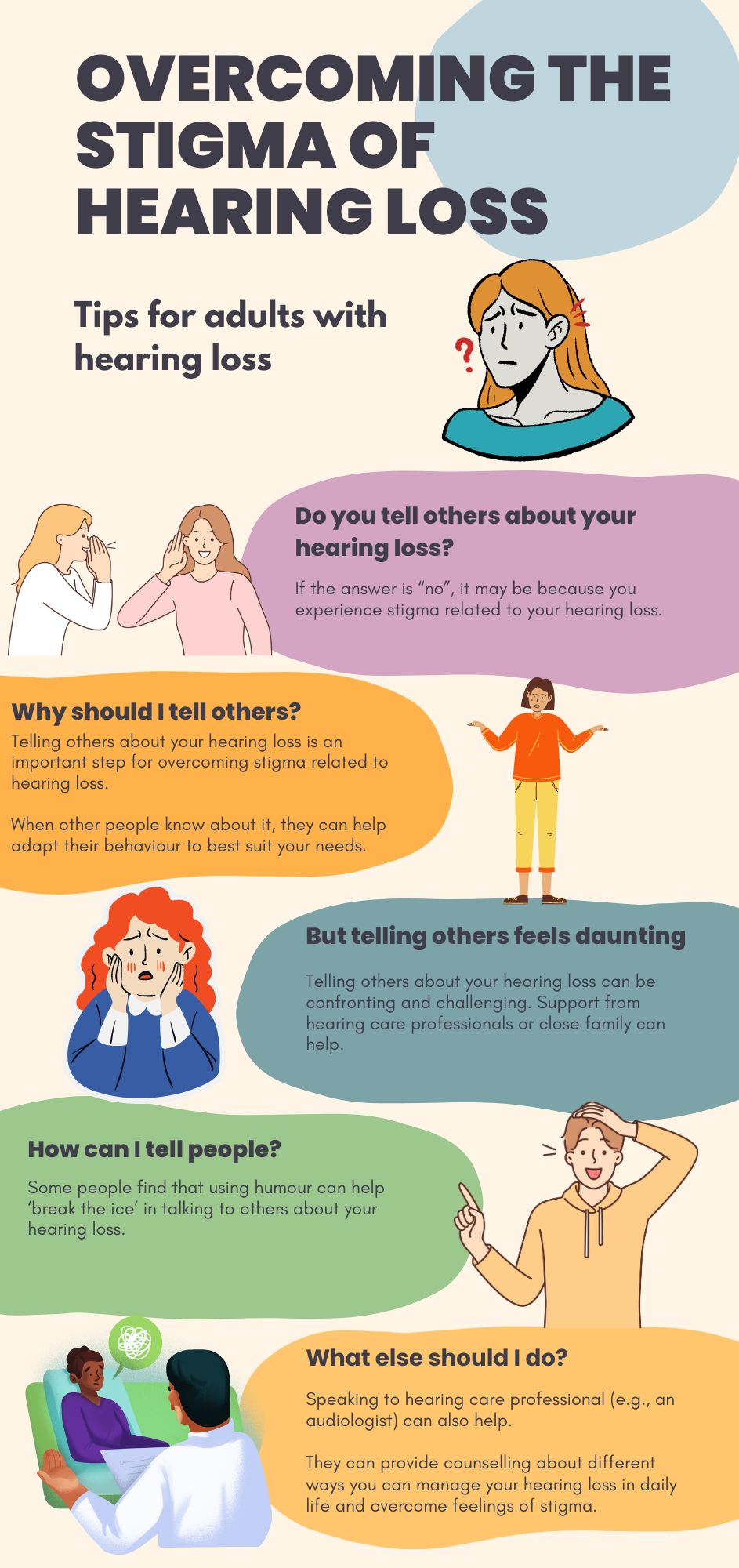
Figure 3. Infographic of tips for adults regarding stigma.
16. What about significant others, what can they do?
It is important for significant others to talk about communication strategies (such as turning down background noise and speaking face-to-face) to help support adults with hearing loss in their daily life inside and outside the home. Communication training programs with adults with hearing loss and their significant others can be beneficial. Significant others should also think twice before teasing someone for their hearing difficulties. Jokes and teasing about hearing loss, even from close family and friends, may seem light-hearted but can embarrass or shame a person with hearing loss.
17. What can I do to approach stigma with my patients?
There is one key question you can ask your patients to get a better understanding of the extent to which they experience stigma related to their hearing loss: “Who do you tell about your hearing loss?”.
If patients do not tell others about their hearing loss, they are likely to experience stigma. Talk with them about what strategies they feel comfortable using to manage their hearing loss in everyday life. Involving significant others in the conversations can also help break down stigma and encourage them to support the adult with hearing loss. Recommending communication programs (such as the Active Communication Education program, ACE) to adults with hearing loss and their significant others can also provide an environment for significant others to learn more about how to facilitate a supportive environment at home. Our study also suggests that it is better to ask your patients about their general attitude to hearing aids and/or how they feel about them rather than focusing just on appearance/size.
We have developed an infographic for hearing care professionals that covers some of these tips.
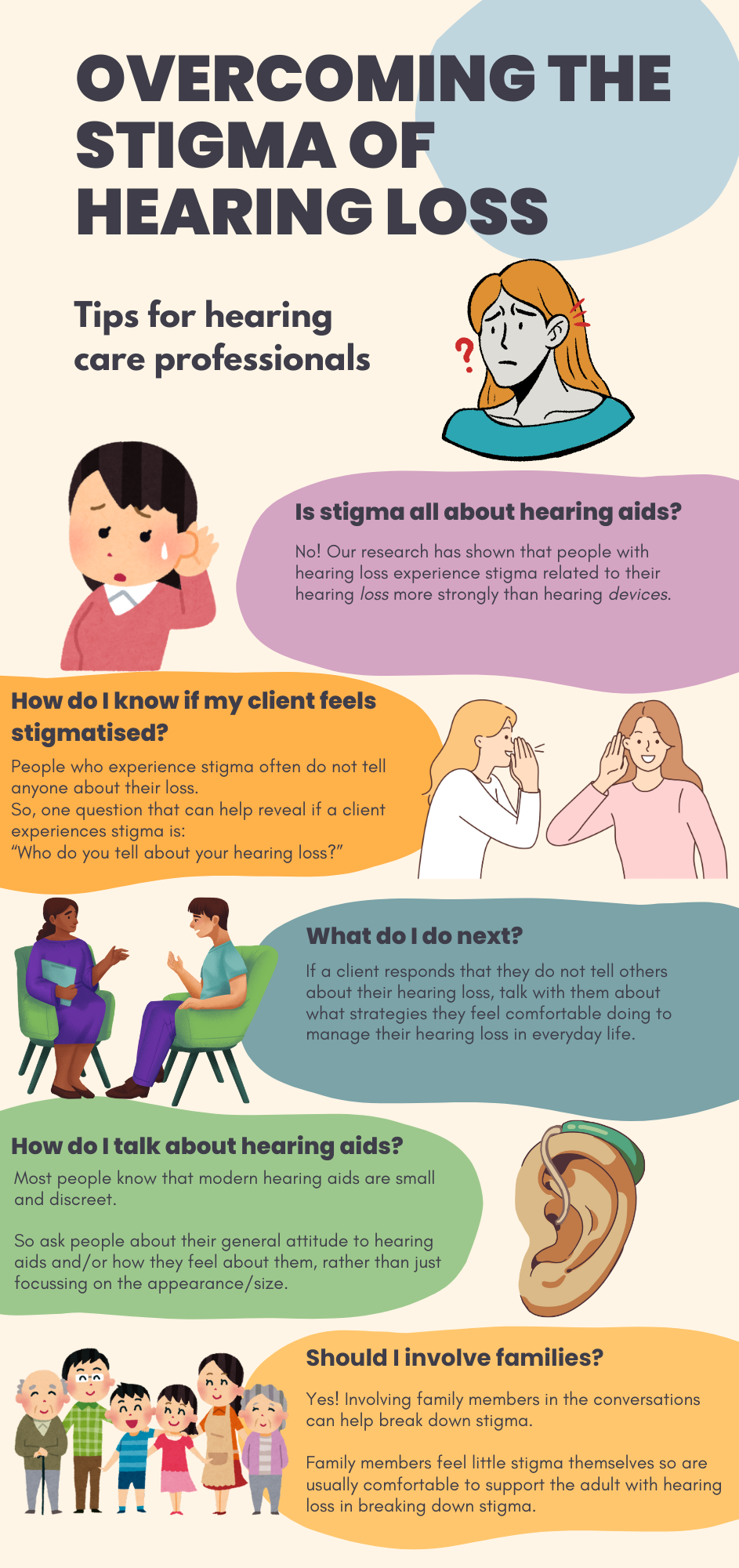
Figure 4. The infographic provides tips regarding stigma for hearing healthcare professionals.
18. Is there anything else that we can do?
For the broader community, raising awareness about hearing loss can help challenge outdated stereotypes that associate hearing loss only with very old age. It is also beneficial to raise public awareness about strategies that help support adults with hearing loss in their daily life, inside and outside the home (e.g., low background noise, speaking face-to-face).
19. Will new technologies also help?
New technologies such as Auracast could definitely help, and having them widely available in public spaces would also raise awareness about hearing loss. Additionally, the growing use of ear-worn devices for all sorts of reasons already seems to be reducing stigma around hearing devices — and hopefully that will continue.
20. Where can I read about the stigma research you’ve mentioned in more detail?
Our research has been published in a special issue in the International Journal of Audiology which is freely available for anyone to download and read here: https://www.tandfonline.com/toc/iija20/64/sup1. There are eight papers in the special issue describing the findings I’ve talked about here.
References
Ekberg, K., Nickbakht, M., Meyer, C., Waite, M., Timmer, B., Scarinci, N., & Hickson, L. (2025). Who do you tell about your hearing loss? A stigma-induced identity-threat model for adults with hearing loss. International Journal of Audiology, 64(suppl 1), S65–S70.
Major, B., & O'Brien, L. T. (2005). The social psychology of stigma. Annual Review of Psychology, 56(1), 393–421.
Citation
Ekberg, K. (2026). 20Q: To tell or not tell? The social process of stigma for adults with hearing loss and their families. AudiologyOnline, Article 29636. Available at www.audiologyonline.com