


Contact Information
INVENTIS • Audiology & Balance Equipment2503 S Washington Ave #586
Titusville, FL 32780
Phone: 1-844-683-6847
Website: inventis.it/
Email: [email protected]
INVENTIS • Audiology & Balance Equipment
Innovative. Reliable. Smart.
Inventis is an audiology leader providing instrumentation and software solutions to hearing and balance care professionals around the world. From our team of engineers to our worldwide distributors, Inventis is committed to being a reliable and innovative manufacturer of medical devices. Inventis develops and manufactures cutting-edge audiology equipment including, audiometers, middle ear analyzers and hearing aid fitting solutions.
Read More
-
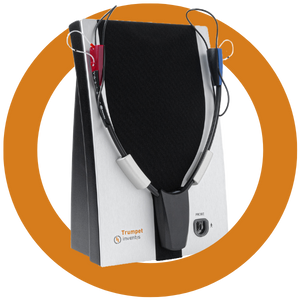
Trumpet REAL EAR MEASUREMENT SYSTEM -
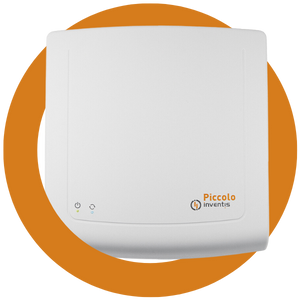
Piccolo PORTABLE COMPUTER-CONTROLLED AUDIOMETER -
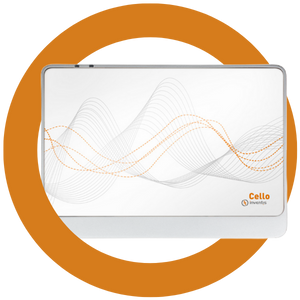
Cello DIAGNOSTIC AUDIOMETER -
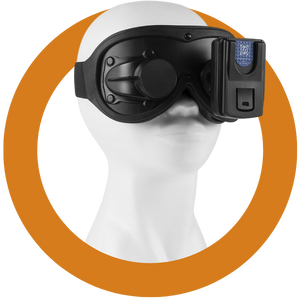
SYNAPSYS VNG VIDEO-NYSTAGMUS -
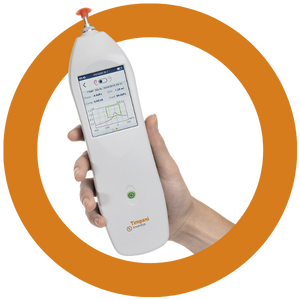
Timpani HANDHELD TYMPANOMETER / SCREENING AUDIOMETER -
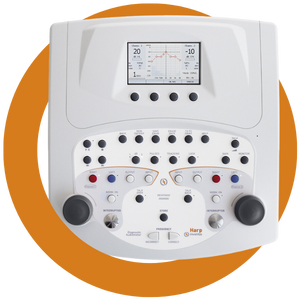
Harp DIAGNOSTIC AUDIOMETER -
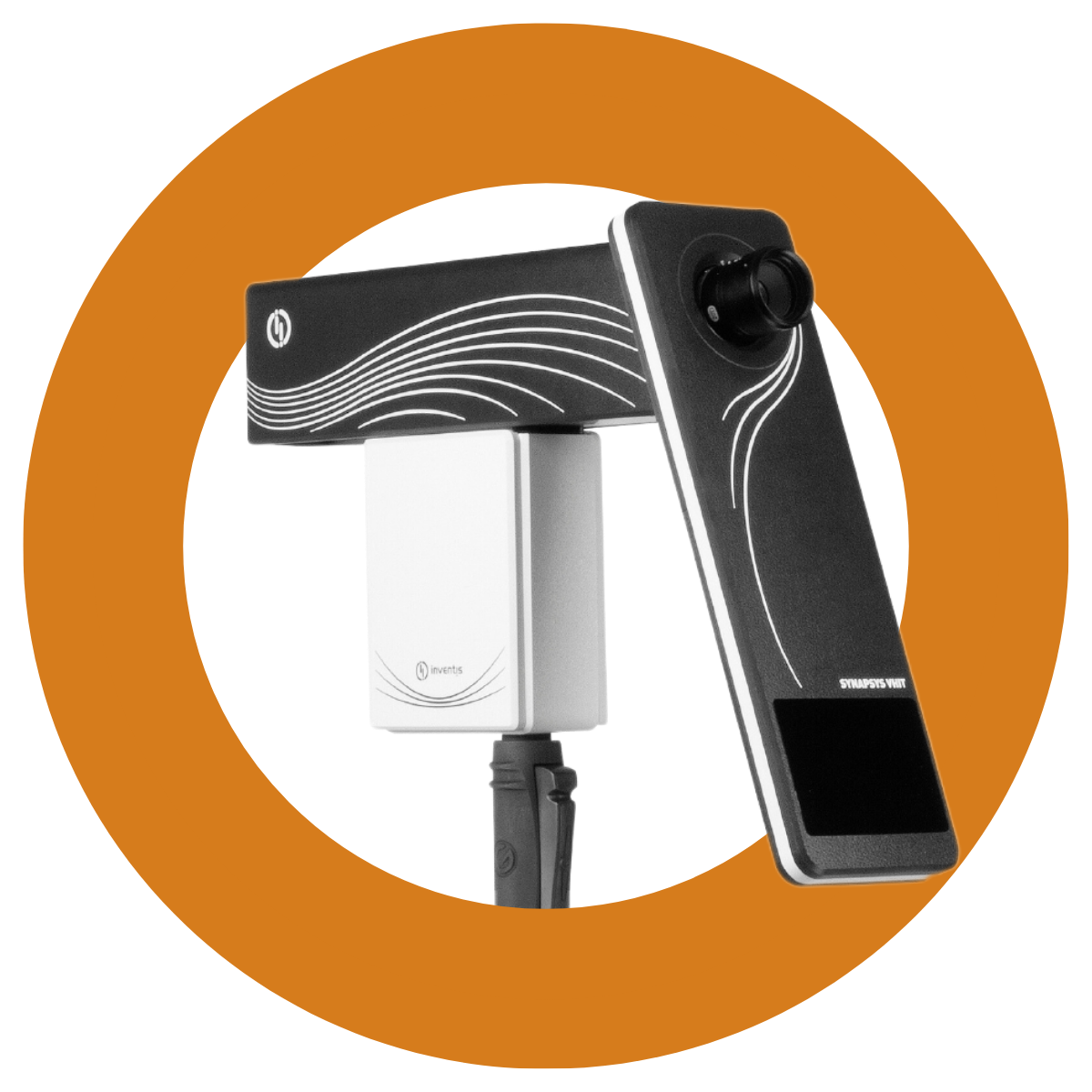
SYNAPSYS VHIT Video Head Impulse Test
Continuing Education
Meniere’s Disease in Children

Course: #41987Level: Intermediate1.5 Hours
Exploring Vestibular Dysfunction in Pediatric Developmental and Learning Disorders
Course: #41817Level: Intermediate1 Hour
Remote Camera vHIT: What Is It and How Does It Fit Into My Pediatric Vestibular Test Battery?
Course: #41771Level: Intermediate1 Hour
Bascule Maneuver for the Management of Atypical Posterior Canal BPPV
Course: #41670Level: Advanced2.5 Hours
Beyond the First Fit: A Strategic Approach to Patient Experience, Tech, and Tinnitus Management
Course: #41257Level: Intermediate1 Hour
Videos
Inventis SYNAPSYS vHIT • Vestibular Test in a 7-Month-Old Infant
October 15, 2025
This video demonstrates vestibular testing in a 7-month-old infant using the SYNAPSYS vHIT remote camera system, without a mask. A relative supports the child during this quick test, allowing reliable...
Watch Video
Inventis SYNAPSYS vHIT • Vestibular Test in a 4-Year-Old Child
October 15, 2025
In this demonstration, the SYNAPSYS vHIT remote camera system, without a mask, is used to perform a quick vestibular test on a 4-year-old child. The protocol is the same as in adults, showing how pedi...
Watch Video
Inventis SYNAPSYS VHIT • Testing protocol
August 1, 2025
The Synapsys VHIT (Video Head Impulse Test) system represents a fundamental step forward in the evaluation of the vestibular system.Unlike other video-HIT examination systems on the market, the Synaps...
Watch VideoNews
Inventis at AAA 2026: Showcasing Innovation and Pediatric Vestibular Breakthroughs in San Antonio
March 16, 2026
Introducing IN TUNE – Conversations on Audiology & Balance
February 12, 2026
INVENTIS ACADEMIA INSIGHTS, Introducing the 2026 Program
January 12, 2026
Articles
Understanding the Impact of Symphonia on Hearing Aid Users: A Survey-Based Analysis
July 22, 2024
Ask the Expert
What does the bascule maneuver involve, and in which BPPV variants is it applied in clinical practice?
March 30, 2026
How Can Clinicians Use Advanced vHIT Interpretation to Improve Diagnosis and Patient Management?
December 15, 2025
How Can Clinicians Apply and Interpret the Video Head Impulse Test (vHIT) in Everyday Practice?
November 14, 2025
Interviews
AI Won’t Replace the Hearing Healthcare Professional, It Will Enhance Them
January 15, 2026
Understanding Lindsay-Hemenway Syndrome: Mechanisms, Diagnosis, and Treatment
May 21, 2025
Why Should You Consider Using Automatic Real-Ear Measurements (AutoREM)?
April 14, 2025